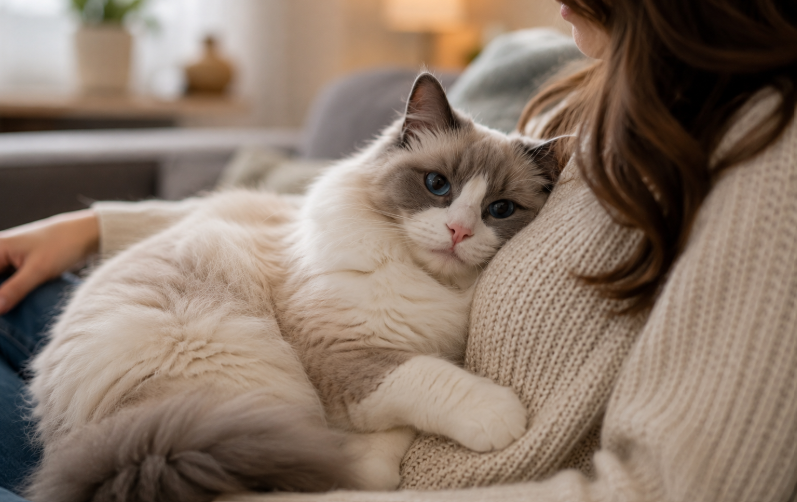
Affectionate Ragdoll Cats have earned a reputation for being some of the most loving and people-oriented pets in the feline world. While many cats enjoy independence, Ragdolls often prefer companionship and closeness. They follow their owners from room to room, greet family members at the door, and seek physical affection throughout the day. Because of this unique behavior, many owners describe them as “puppy-like” cats.
Their clingy personality surprises first-time cat owners who expect distant or aloof behavior. Instead, Ragdolls thrive on interaction and emotional connection. They enjoy cuddling on couches, sleeping beside their owners, and quietly observing daily routines. This strong attachment does not happen by accident. Several factors contribute to their famously affectionate personality, including genetics, breeding history, environment, and emotional sensitivity.
Understanding why these cats behave this way helps owners create stronger relationships and healthier home environments. More importantly, it explains why Ragdolls remain one of the most beloved cat breeds in the world.
The History Behind Their Gentle Personality
The breed’s personality developed intentionally over time. Early breeders focused not only on appearance but also on temperament. They selected cats that displayed calm behavior, social comfort, and trust around humans. As generations passed, these traits became more predictable.
Unlike highly territorial breeds, Ragdolls adapted well to indoor family life. Breeders prioritized emotional stability and friendliness because they wanted cats that could integrate easily into homes with children and other pets. As a result, modern Ragdolls often display exceptional patience and gentleness.
This selective breeding strongly shaped the personality seen today. Affectionate Ragdoll Cats commonly seek human interaction because those traits were encouraged for decades. Their emotional dependence reflects careful breeding choices rather than random behavior.
Additionally, their relaxed temperament contributes to their clingy image. Many Ragdolls go limp when held, which inspired the breed’s famous name. This trust-based behavior further strengthens the emotional bond between cats and owners.
The breed’s history explains why they behave differently from more independent feline breeds. Their social personality was developed intentionally and continues to define them today.
Why Ragdolls Form Strong Emotional Bonds
Some cats tolerate human attention, yet Ragdolls genuinely crave it. Emotional bonding plays a central role in their daily behavior. These cats often choose a favorite person and remain emotionally attached throughout the day.
Routine interaction helps strengthen this connection. Feeding, grooming, playtime, and conversation all reinforce trust. Since Ragdolls respond strongly to affection, they naturally seek more interaction over time.
Affectionate Ragdoll Cats also tend to mirror emotional energy within the home. Calm households usually produce relaxed and loving behavior. Likewise, owners who regularly interact with their cats often experience stronger companionship.
Physical closeness matters deeply to this breed. Many Ragdolls prefer sitting beside their owners instead of resting alone. Others sleep near pillows, legs, or laps because they feel safest around trusted people.
Unlike some cats that avoid constant handling, Ragdolls often enjoy being picked up and carried. Their tolerance for touch increases opportunities for bonding and strengthens emotional attachment further.
This emotional dependence explains why Ragdolls sometimes struggle with long periods alone. They thrive when included in everyday family activities rather than ignored for hours at a time.
Their Calm Temperament Encourages Clingy Behavior
A calm personality naturally supports affectionate behavior. Cats that feel secure and relaxed are more likely to approach people confidently. Ragdolls rarely display aggressive or unpredictable behavior, which allows them to remain emotionally open around humans.
Their easygoing nature also reduces fear responses. Loud noises or sudden movement may still startle them, yet they usually recover quickly compared to more anxious breeds. Because of this stability, Affectionate Ragdoll Cats feel comfortable staying physically close to people throughout the day.
Their calm demeanor also makes them excellent companions for quieter households. Many owners appreciate how Ragdolls settle peacefully beside them during work, reading, or television time.
This gentle behavior extends to interactions with children and other pets as well. Ragdolls often tolerate handling patiently and adapt well to multi-pet homes. However, they still need respectful treatment and safe spaces when overstimulated.
Since they prefer peaceful environments, emotional tension within the home can affect them strongly. Harsh discipline or loud conflict may cause stress and withdrawal. Positive reinforcement therefore works far better for maintaining trust and confidence.
Their calm personality ultimately encourages the clingy habits owners often find endearing.
Why They Follow Owners Everywhere
Many Ragdoll owners notice the same behavior repeatedly. The cat quietly follows them from room to room without demanding attention loudly. This shadow-like behavior reflects emotional curiosity and attachment rather than neediness alone.
Ragdolls enjoy observing human activity because they feel connected to household routines. Whether someone cooks dinner, folds laundry, or works on a laptop, the cat simply wants to remain nearby.
Affectionate Ragdoll Cats often see their owners as sources of safety, entertainment, and comfort simultaneously. Staying close allows them to feel secure while remaining involved in daily life.
Some experts compare this behavior to companion dogs because the attachment feels highly social. However, Ragdolls usually express affection more quietly than dogs. Instead of barking or jumping, they prefer calm observation and physical closeness.
Their intelligence also contributes to this behavior. Ragdolls quickly learn routines and anticipate activities. They may follow owners toward the kitchen during feeding times or wait near doors before bedtime.
This constant companionship becomes one of the breed’s most recognizable traits. For many owners, the loyal following behavior strengthens emotional connection even further.
The Role of Early Socialization
Early experiences strongly shape adult feline behavior. Kittens exposed to gentle handling and positive interaction often develop higher confidence around humans later in life.
Responsible breeders begin socialization very early. Young kittens handled regularly tend to adapt better to affection, touch, and household sounds. This early trust-building process influences long-term personality development.
Affectionate Ragdoll Cats especially benefit from positive early experiences because they are naturally social animals. Kittens raised in emotionally stable environments usually become more confident and affectionate adults.
New owners also influence social behavior significantly. Spending time with kittens during the adjustment period helps strengthen trust quickly. Interactive play, calm handling, and routine communication all encourage bonding.
Ignoring social interaction during kittenhood may reduce confidence and attachment later. While genetics remain important, environment still shapes emotional development considerably.
Owners who invest time in relationship-building usually experience stronger companionship as the cat matures.
Why Ragdolls Crave Physical Contact
Physical affection provides comfort and reassurance for many Ragdolls. These cats often seek laps, cuddles, and body contact because touch reinforces emotional safety.
Unlike more reserved breeds, Ragdolls usually tolerate prolonged petting sessions well. Many even roll onto their backs to invite gentle belly rubs, although individual preferences still vary.
Affectionate Ragdoll Cats often initiate physical interaction themselves. They may lean against legs, rest paws on owners, or curl beside shoulders during sleep.
Warmth also contributes to cuddle behavior. Human body heat feels comforting, especially during colder seasons. However, emotional security remains the primary reason behind their closeness.
Some cats show affection through quiet presence instead of active cuddling. Simply staying nearby still reflects emotional attachment and trust.
Owners should always respect personal boundaries despite the breed’s affectionate reputation. Even loving cats occasionally need rest and independent space.
Balanced interaction creates healthier relationships and prevents overstimulation.
Do Ragdolls Experience Separation Anxiety?
Because they bond strongly with people, some Ragdolls struggle with loneliness. Extended isolation may trigger stress-related behaviors such as excessive vocalization, withdrawal, or destructive habits.
Affectionate Ragdoll Cats often become deeply attached to household routines. Sudden schedule changes or long absences can therefore create emotional confusion.
Cats left alone frequently may benefit from environmental enrichment. Puzzle toys, climbing trees, window perches, and interactive feeders provide stimulation during quiet hours.
Some owners also choose companion pets to reduce loneliness. Another friendly cat or calm dog can provide emotional support when humans are unavailable.
Maintaining predictable schedules helps reduce anxiety as well. Feeding, playtime, and bedtime routines create emotional security.
Although Ragdolls enjoy companionship, healthy independence still matters. Gradual alone-time training during kittenhood may help prevent excessive dependence later.
Owners should monitor behavior carefully if signs of stress appear regularly.
How Owners Can Strengthen the Bond Further
Strong relationships require consistency and emotional awareness. Spending quality time together each day strengthens trust naturally.
Interactive play remains especially important. Wand toys, balls, and puzzle games stimulate the mind while reinforcing connection. Even short sessions improve emotional engagement.
Affectionate Ragdoll Cats also respond positively to calm verbal communication. Many owners notice their cats reacting to familiar voices and routines.
Grooming sessions create additional bonding opportunities. Since Ragdolls require regular brushing, grooming becomes both practical and emotionally rewarding.
Creating cozy resting spaces near family activity areas also helps. Cats that feel included in household life often display greater confidence and affection.
Positive reinforcement consistently produces better results than punishment. Rewarding calm behavior encourages emotional security and trust.
Most importantly, owners should appreciate the breed’s emotional sensitivity. Ragdolls thrive when treated gently, patiently, and respectfully.
Why Families Love This Breed So Much
The affectionate personality of Ragdolls makes them highly appealing for families. Their calm demeanor fits well into many household types, including homes with children, seniors, and other pets.
Affectionate Ragdoll Cats adapt easily because they enjoy companionship rather than conflict. Their patience and relaxed attitude help create peaceful home environments.
Many families appreciate their predictable behavior. Unlike highly energetic or territorial cats, Ragdolls usually prefer comfort, routine, and closeness.
Their soft vocalizations also contribute to their appeal. Ragdolls communicate gently instead of demanding attention loudly throughout the day.
For people seeking emotional companionship, few breeds compare to the Ragdoll’s loyalty and affection. Their desire for closeness creates a strong sense of connection many owners deeply value.
Although every cat has unique personality traits, the breed consistently displays loving behavior across generations.
Conclusion
Ragdolls are affectionate for many reasons, including genetics, careful breeding, emotional sensitivity, and strong social instincts. Their calm temperament and deep attachment to humans create the clingy behavior owners often adore.
Unlike independent breeds that prefer distance, Ragdolls genuinely enjoy companionship and physical closeness. They seek emotional connection through cuddling, following owners, and participating quietly in daily routines.
Affectionate Ragdoll Cats thrive in homes where people provide consistent attention, gentle interaction, and emotional security. In return, they offer loyalty, comfort, and companionship that many owners describe as unforgettable.
Their loving personality explains why they remain one of the world’s most popular cat breeds. More importantly, it shows how deeply cats can bond with humans when trust and affection develop naturally over time.
FAQ
- Why do Ragdolls follow their owners everywhere?
Ragdolls often follow people because they enjoy companionship and feel emotionally connected to household routines.
- Are these cats more affectionate than other breeds?
Many owners believe Ragdolls display stronger attachment and calmer affection than most other cat breeds.
- Can clingy behavior become a problem?
Excessive dependence may lead to stress during long absences, so balanced routines and enrichment are important.
- Do Ragdolls like being held often?
Most Ragdolls tolerate handling very well and usually enjoy cuddling with trusted family members.
- How can owners build a stronger connection with their cat?
Daily play, gentle handling, grooming, and consistent routines all help strengthen emotional trust and bonding.