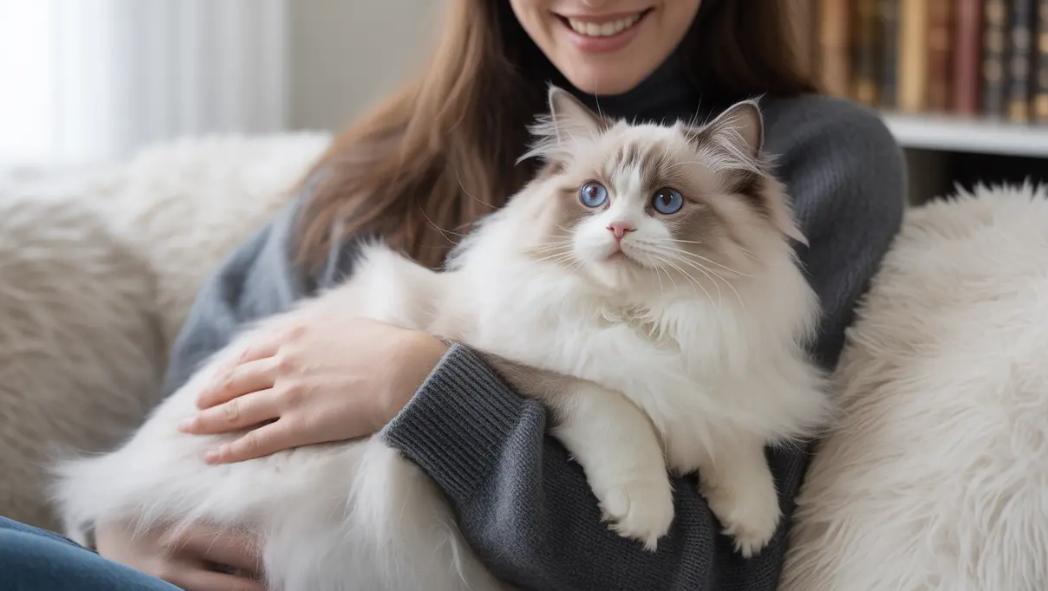
One of the most beloved characteristics of this breed is its incredible affection toward people. Ragdoll Cat Attachment is often stronger than many owners expect because these gentle cats naturally enjoy spending time with their families. Rather than remaining independent throughout the day, many Ragdolls follow their owners from room to room, greet them at the door, and seek opportunities to stay close. This loyal behavior has earned the breed a reputation as one of the most people-oriented cats in the world.
Unlike some breeds that prefer limited interaction, Ragdolls thrive on companionship. They often choose to relax beside their favorite person instead of finding a quiet place alone. Although every cat has a unique personality, many Ragdolls develop deep emotional connections that continue throughout their lives. Understanding why this happens helps owners appreciate their cat’s behavior while providing the care and attention needed to maintain a healthy relationship.
Why Ragdolls Form Strong Bonds
A major reason Ragdoll Cat Attachment develops so naturally is selective breeding. Ragdolls were originally bred for their calm temperament, gentle personality, and affectionate nature. As a result, they often seek human interaction instead of avoiding it.
Early socialization also plays an important role. Kittens that experience positive handling during their first weeks of life usually become more confident and trusting as adults. Gentle experiences with people teach them that human companionship is safe and rewarding.
Furthermore, Ragdolls are highly intelligent and quickly learn daily routines. They recognize feeding times, play schedules, and family habits. Because these predictable routines create security, many cats naturally become more attached to the people who consistently care for them.
Trust grows gradually through positive experiences. Every meal, grooming session, play period, and gentle interaction reinforces the relationship between you and your cat.
Common Signs of Attachment
Healthy Ragdoll Cat Attachment appears in many different ways. One of the most recognizable behaviors is following owners throughout the house. Your cat may quietly walk behind you from room to room simply because it enjoys your company.
Many Ragdolls also greet their owners when they arrive home. They may wait near the door, softly meow, or rub against your legs as a welcoming gesture. This behavior reflects excitement rather than dependency.
Physical closeness is another common sign. Your Ragdoll may sleep beside you, rest on the couch nearby, or curl up at your feet while you work. These cats often prefer being close without constantly demanding attention.
Slow blinking also communicates trust. Cats use slow blinks to express comfort and security around people they consider safe. Returning a slow blink may even strengthen your bond.
Gentle purring, soft trills, and quiet chirps frequently accompany affectionate interactions. These sounds usually indicate contentment rather than distress.
Why Your Ragdoll Follows You Everywhere
Many owners notice Ragdoll Cat Attachment most clearly when their cat follows them throughout the home. Although this behavior may seem unusual, it is completely normal for the breed.
Ragdolls are naturally curious about their families. They enjoy observing everyday activities, whether you are cooking, reading, cleaning, or relaxing. Instead of seeking constant entertainment elsewhere, they simply enjoy sharing your space.
Following you also provides reassurance. Cats feel safer when they know where trusted family members are located. Your presence offers comfort, especially in unfamiliar situations or during household changes.
Additionally, many Ragdolls associate their owners with positive experiences such as meals, grooming, playtime, and affection. Over time, they naturally choose to remain nearby because these interactions consistently meet both their physical and emotional needs.
Can Ragdolls Become Too Attached?
Although Ragdoll Cat Attachment is usually healthy, some cats may struggle with being left alone for long periods. Because they enjoy companionship, extended isolation may occasionally contribute to boredom, stress, or mild separation-related behaviors.
Signs of loneliness may include excessive vocalization, destructive scratching, changes in appetite, or reduced activity while owners are away. Fortunately, these behaviors can often be minimized with proper enrichment.
Interactive toys, puzzle feeders, climbing furniture, and window perches help keep your cat mentally engaged during the day. Rotating toys regularly also prevents boredom.
If your work schedule requires long absences, consider arranging additional interaction whenever possible. Some households also successfully introduce another compatible pet after careful planning and gradual introductions.
Maintaining predictable routines provides emotional stability. Cats generally feel more secure when feeding, playtime, and quiet companionship occur at similar times each day.
How to Build an Even Stronger Bond
Strengthening Ragdoll Cat Attachment does not require complicated training. Instead, small daily habits create lasting trust.
Spend quality time together every day. Interactive play sessions encourage exercise while reinforcing positive relationships. Feather wands, toy mice, and puzzle toys stimulate natural hunting instincts and provide enjoyable shared experiences.
Regular grooming offers another opportunity to build trust. Many Ragdolls enjoy gentle brushing because it feels relaxing while removing loose fur. Grooming also allows you to monitor your cat’s skin, coat, ears, and overall health.
Respect your cat’s boundaries as well. Even affectionate cats occasionally prefer quiet time. Allowing your Ragdoll to choose when to interact encourages confidence and prevents unnecessary stress.
Positive reinforcement works far better than punishment. Reward calm behavior with praise, gentle petting, or play instead of reacting negatively to unwanted behaviors.
Finally, speak calmly to your cat. Many Ragdolls recognize familiar voices and respond positively to gentle conversation.
Supporting Emotional Well-Being
Healthy Ragdoll Cat Attachment depends on emotional security as much as physical care. Cats that feel safe are generally more confident, affectionate, and relaxed.
Provide several comfortable resting places throughout your home. Soft beds, cat trees, and elevated perches give your Ragdoll secure locations where it can observe the environment.
Maintain regular veterinary care to address health concerns before they affect behavior. Pain or illness may cause even affectionate cats to become withdrawn.
Mental stimulation remains equally important. Scratching posts, climbing shelves, food puzzles, and interactive games keep indoor cats engaged while reducing stress.
Most importantly, recognize that every Ragdoll has its own personality. Some display affection constantly, while others express love more quietly through gentle companionship and body language.
Conclusion
Ragdoll Cat Attachment is one of the defining qualities that makes this breed so popular among cat lovers. Their affectionate personalities, calm temperament, and desire for companionship allow them to develop remarkably strong relationships with their families.
By providing consistent care, daily interaction, gentle handling, and a secure environment, you encourage healthy emotional bonds that last a lifetime. Whether your Ragdoll follows you everywhere, curls up beside you each evening, or quietly watches from across the room, these behaviors reflect trust and affection. Appreciating these unique forms of communication helps create an even deeper connection with your loyal feline companion.
FAQ
1. Why does my Ragdoll follow me everywhere?
Ragdolls naturally enjoy human companionship and often stay close because they feel safe, comfortable, and emotionally connected to their owners.
2. Is it normal for this breed to be very affectionate?
Yes. This breed is widely known for its gentle personality and strong desire to spend time with family members.
3. Can these cats experience separation anxiety?
Some may become stressed when left alone for extended periods, especially if they receive very little daily interaction.
4. How can I strengthen my relationship with my cat?
Spend time playing, grooming, talking gently, and maintaining consistent daily routines that help your cat feel secure.
5. Do all Ragdolls show affection the same way?
No. Every cat has an individual personality, and some express affection through quiet companionship rather than constant physical contact.