Ragdoll cats are magnificent creatures known for their striking blue eyes, luxurious coats, and docile temperament. To maintain their impressive physique and gentle disposition, providing the right nutrition is paramount. Understanding the best Ragdoll cat food choices can significantly impact your feline’s health and happiness. This article delves into the specific dietary requirements of this unique breed, offering expert advice to help you select the ideal diet for your cherished companion.
Understanding Ragdoll Nutritional Needs
Like all cats, Ragdolls are obligate carnivores, meaning their diet must be primarily meat-based. However, their larger size and specific breed characteristics mean their nutritional needs can be slightly different from a generic house cat. Therefore, a specialized approach is often beneficial.
High-Quality Protein
Protein is the cornerstone of a Ragdoll’s diet. It supports muscle development, maintains their beautiful coat, and provides essential amino acids. Look for foods where animal protein sources like chicken, turkey, salmon, or beef are listed as the first few ingredients. Aim for a diet with at least 30-40% crude protein. Indeed, a robust protein intake is crucial for these large, muscular cats.
Healthy Fats
Fats are a concentrated source of energy and crucial for nutrient absorption, skin health, and a glossy coat. Omega-3 and Omega-6 fatty acids, found in fish oil or flaxseed, are particularly beneficial for their long fur and joint health. For example, these fatty acids can help reduce Ragdoll cat shedding, keeping their luxurious coats in top condition.
Limited Carbohydrates
While some carbohydrates are present in commercial cat foods, they should be minimal. Cats derive most of their energy from protein and fat, not carbs. Excessive carbohydrates can contribute to weight gain and digestive issues. Consequently, always check the ingredient list carefully for fillers.
Essential Vitamins and Minerals
Ensure the food is fortified with a balanced array of vitamins (like A, D, E, B vitamins) and minerals (like calcium, phosphorus, taurine). Taurine, an amino acid, is especially critical for feline heart health and vision. In fact, a deficiency in taurine can lead to serious health problems for any cat.
Wet vs. Dry: Deciphering Your Ragdoll’s Diet
The debate between wet and dry food is ongoing, and both have merits for a Ragdoll’s diet. Many owners find a combination approach works best for their pet’s overall well-being.
Dry Kibble Benefits
Dry food is convenient, often more affordable, and can help scrape plaque off teeth. However, its lower moisture content means you must ensure your Ragdoll drinks plenty of water. Furthermore, some dry kibbles are specifically formulated for dental health, which is an added bonus.
Wet Food Advantages
Wet food offers higher moisture content, which is excellent for hydration and urinary tract health. It’s also often more palatable and can be beneficial for weight management due to its lower caloric density per serving. For Ragdolls, adequate hydration is particularly important given their potential for urinary issues.
Combination Feeding
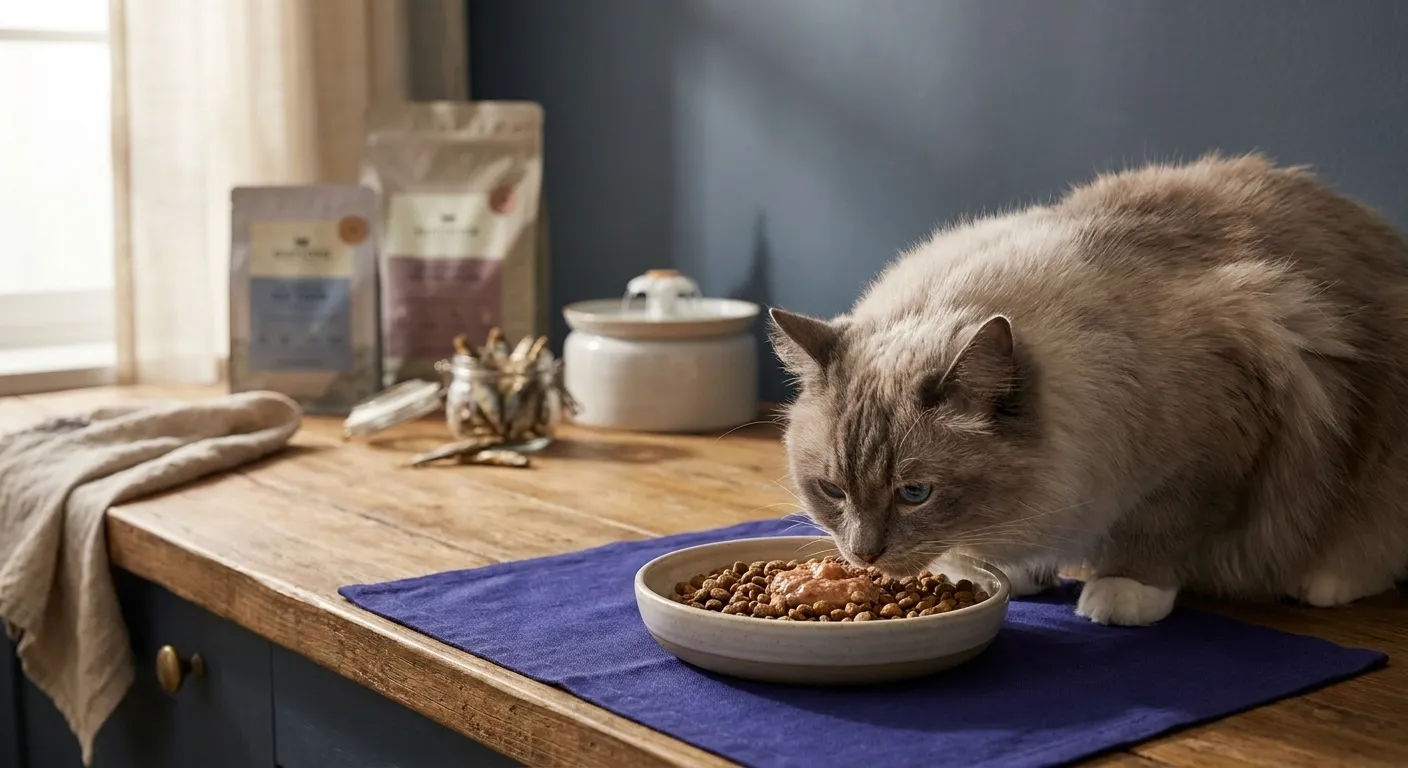
Many Ragdoll owners opt for a combination of both – offering dry kibble throughout the day and wet food once or twice daily. This approach provides the benefits of both while ensuring adequate hydration and variety. Moreover, it can make meal times more engaging for your Ragdoll.
Age-Appropriate Feeding for Ragdolls
Nutritional needs change as your Ragdoll grows and ages. Therefore, selecting the appropriate formula for each life stage is vital.
Kittens (up to 1 year)
Ragdoll kittens require higher calories, protein, and fat to support rapid growth and development. Specifically, look for formulas labeled
Related reading: