While their luxurious, semi-long coats are a hallmark of the breed, learning how to manage Ragdoll cat shedding effectively is a key part of responsible Ragdoll ownership. Ragdolls are known for their beautiful, silky fur that, despite being less prone to matting than some long-haired breeds, still requires consistent attention. Excessive shedding can lead to hairballs, messy homes, and even skin issues if not properly addressed. This article will provide comprehensive strategies to keep your Ragdoll’s coat pristine, minimize shedding, and enhance their overall well-being through effective grooming and engaging exercise.
Understanding Your Ragdoll’s Shedding Cycle
Ragdolls typically have a ‘single coat’ with minimal undercoat, which contributes to their soft, rabbit-like texture and reduced matting. However, they do shed, and the amount can vary based on factors like seasonality, diet, stress, and overall health. You might notice heavier shedding in spring as they lose their winter coat, and a lighter shed throughout the year. Understanding this natural cycle helps you anticipate and prepare for periods of increased hair loss.
Strategies to Manage Ragdoll Cat Shedding
Effective shedding management is a combination of consistent grooming, proper nutrition, and environmental control. Implementing these tips will help keep your Ragdoll’s coat healthy and your home cleaner.
Regular Brushing Techniques
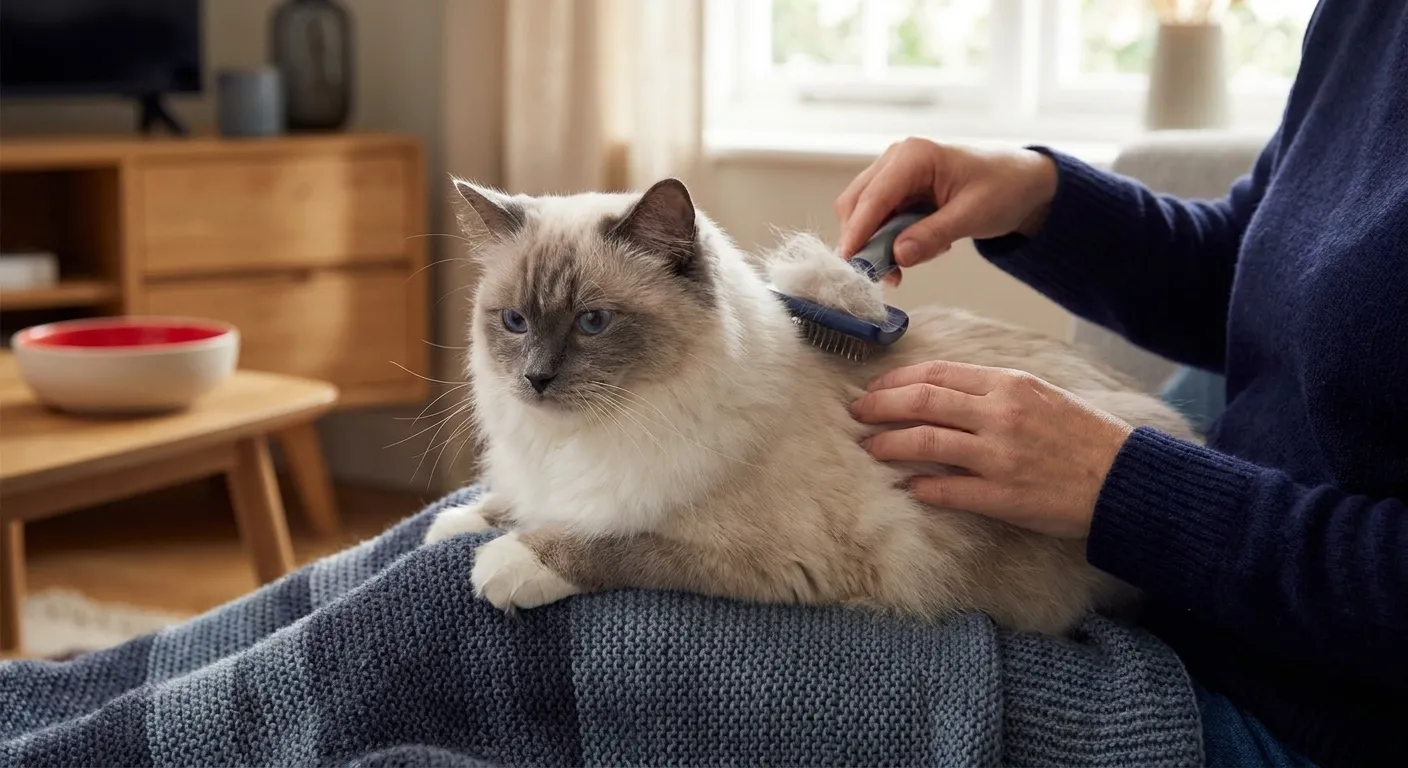
Daily or every-other-day brushing is paramount to reduce Ragdoll shedding. Use a high-quality slicker brush or a comb designed for long-haired cats. Start with gentle strokes, working through small sections of their fur. Pay special attention to areas prone to tangles, like behind the ears, under the ‘armpits’, and around their britches. Regular brushing removes loose hair before it ends up on your furniture, stimulates natural skin oils for a healthy coat, and provides an excellent bonding opportunity. Furthermore, consistent brushing helps distribute natural oils, which keeps the coat healthy and shiny. For best results, establish a routine early in your Ragdoll’s life. This makes grooming a positive experience. Indeed, many Ragdolls enjoy the attention and closeness that brushing provides. You can find excellent grooming tools at pet supply stores or online retailers. Consider a deshedding tool for periods of heavier shedding, but use it sparingly to avoid skin irritation. Remember, the goal is to remove loose fur gently and effectively.
Nutritional Support for Coat Health
A high-quality diet plays a significant role in your Ragdoll’s coat health. Look for cat foods rich in omega-3 and omega-6 fatty acids, which contribute to a shiny coat and healthy skin. Ingredients like fish oil, flaxseed, and chicken fat are beneficial. A well-hydrated cat also tends to have healthier skin and coat, so ensure constant access to fresh water and consider incorporating wet food into their diet. In addition, certain supplements, such as those containing biotin or B vitamins, can support skin and coat health. Always consult your veterinarian before adding any supplements to your Ragdoll’s diet. A balanced diet provides the building blocks for strong hair follicles, ultimately reducing excessive hair fall. For more information on maintaining overall health, consider learning about a Ragdoll Cat Vet Schedule for Lifelong Health. Proper nutrition is a foundational element in how to manage Ragdoll cat shedding effectively.
Environmental Control to Minimize Shedding
Maintaining a comfortable indoor environment can also influence shedding. Consistent room temperatures and humidity levels can help. Regular vacuuming and using lint rollers are practical ways to manage loose fur in your home between grooming sessions. Air purifiers can also help reduce airborne pet dander. Moreover, ensure your home is free from excessive allergens, which can sometimes trigger skin irritation and increased shedding in sensitive cats. Providing a clean and calm environment contributes significantly to your Ragdoll’s overall well-being and coat health. Consider investing in a good quality pet vacuum cleaner, as these are designed to pick up pet hair more efficiently. Furthermore, regular washing of pet bedding helps reduce the accumulation of shed fur. These small efforts contribute to a cleaner home and a healthier cat. Controlling environmental factors is a key component in how to manage Ragdoll cat shedding.
Professional Grooming (When Needed)
While most Ragdolls can be maintained at home, occasional professional grooming can be beneficial. A professional groomer can provide a thorough deshedding treatment, trim any matted areas, and even offer a sanitary trim. They have specialized tools and expertise to handle long-haired breeds. If your Ragdoll develops mats that are difficult to remove yourself, a professional groomer is the safest option. Attempting to cut out mats at home can easily injure your cat. Additionally, some groomers offer de-shedding baths that can help loosen and remove a significant amount of dead hair. This can be especially helpful during peak shedding seasons. However, ensure the groomer has experience with Ragdolls, as their temperament and coat require a gentle approach. For more tips on maintaining a clean home environment, you might find useful information on Ragdoll Cat Home Setup for Comfort and Safety.
Addressing Underlying Health Issues Affecting Shedding
Sometimes, increased shedding can be a symptom of an underlying health issue. If you notice sudden, excessive hair loss, bald patches, or skin irritation, it is crucial to consult your veterinarian. Parasites like fleas, mites, or ringworm can cause skin problems and shedding. Allergies, hormonal imbalances, stress, or even certain internal diseases can also manifest as changes in coat condition. Your vet can perform a thorough examination and recommend appropriate treatment. Early detection and treatment of health issues are vital for your Ragdoll’s well-being. For instance, stress can significantly impact a cat’s health, leading to various issues, including excessive shedding. Understanding Ragdoll Cat Behavior Problems Every Owner Should Understand can help you identify and address stress factors. Therefore, always monitor your cat’s coat closely for any unusual changes. This proactive approach is essential to manage Ragdoll cat shedding effectively when health is a factor.
The Role of Hydration and Skin Health
Proper hydration is fundamental to overall skin and coat health. Just like humans, cats need adequate water intake for healthy skin. Dehydration can lead to dry, flaky skin, which in turn can exacerbate shedding. Ensure your Ragdoll always has access to fresh, clean water. Consider using a ceramic or stainless steel bowl, as some cats dislike plastic. Furthermore, a pet water fountain can encourage increased water consumption, as many cats prefer flowing water. Wet food also contributes significantly to a cat’s daily water intake. A well-hydrated cat will naturally have more supple skin and a healthier coat, making it easier to manage Ragdoll cat shedding. This simple yet crucial aspect of care often gets overlooked. Therefore, prioritize your cat’s hydration for their general health and coat integrity.
Grooming Tools for Effective Shedding Control
Choosing the right grooming tools is essential for successful shedding management. A good quality slicker brush with fine, bent wires is excellent for removing loose undercoat and detangling the outer fur. A metal comb with both wide and fine teeth is also indispensable for working through tangles and smoothing the coat. For areas prone to matting, a dematting comb can be helpful, but use it with extreme caution. Additionally, specialized deshedding tools can remove a significant amount of loose hair, but these should be used judiciously to avoid irritating the skin. Always introduce new grooming tools gradually and make the experience positive with treats and praise. Regularly cleaning your grooming tools also ensures their effectiveness and hygiene. Furthermore, a soft bristle brush can be used for a final polish, leaving the coat shiny and smooth. Investing in quality tools will make the process of how to manage Ragdoll cat shedding much easier and more effective for both you and your feline companion.
Bathing Your Ragdoll (When Necessary)
While Ragdolls are generally meticulous self-groomers, occasional bathing can help reduce shedding, especially during peak seasons. However, bathing a cat can be a challenging experience for both pet and owner. Use a shampoo specifically formulated for cats, ideally one that is moisturizing or designed to help with shedding. Always rinse thoroughly to prevent skin irritation. Ensure the water temperature is lukewarm and the environment is calm. If your cat tolerates it, a bath can remove a large amount of loose hair and dander. However, if your Ragdoll strongly resists bathing, it’s better to rely on regular brushing and professional grooming. Over-bathing can strip natural oils from their skin, leading to dryness and potentially more shedding. Therefore, assess your cat’s comfort level and the actual need before attempting a bath. When considering bathing, remember that proper drying is also crucial to prevent matting and chilling. This is another aspect of how to manage Ragdoll cat shedding that requires careful consideration.
The Connection Between Exercise, Play, and Coat Health
Regular exercise and playtime are not just crucial for your Ragdoll’s mental and physical health; they can also indirectly help with coat maintenance. An active cat is generally a healthier cat, and good health is reflected in a vibrant coat. Playtime helps reduce stress, which can be a factor in excessive shedding. Engaging your Ragdoll in interactive play with toys, laser pointers, or feather wands encourages movement and keeps their metabolism healthy. Consider providing a Ragdoll Cat Home Setup for Comfort and Safety that includes climbing structures and scratching posts to promote activity. A well-exercised cat is often a happier cat, and a happy cat tends to have a healthier coat. Therefore, integrate daily play sessions into your routine. This proactive approach supports overall wellness, which in turn, helps to manage Ragdoll cat shedding naturally.
Recognizing and Managing Stress-Related Shedding
Stress can be a significant factor in excessive shedding for cats, including Ragdolls. Changes in environment, new pets, visitors, or even a disruption in routine can cause stress. When a cat is stressed, their body can react in various ways, including increased hair loss. Observe your Ragdoll for other signs of stress, such as changes in appetite, litter box habits, or behavior. Providing a consistent routine, a safe retreat, and plenty of positive interaction can help reduce stress. Pheromone diffusers designed for cats can also create a calming environment. If you suspect stress is causing your Ragdoll to shed more than usual, addressing the root cause is crucial. For insights into feline behavior, you may wish to read about Ragdoll Cat Behavior Problems Every Owner Should Understand. Managing stress is an important, though often overlooked, aspect of how to manage Ragdoll cat shedding effectively.
Long-Term Strategies for a Pristine Ragdoll Coat
Maintaining a pristine Ragdoll coat is a marathon, not a sprint. It requires consistent effort and a holistic approach. Beyond the immediate shedding management techniques, consider these long-term strategies:
- Routine Health Check-ups: Regular veterinary visits ensure any underlying health issues contributing to shedding are caught early. This is a critical part of a Ragdoll Cat Vet Schedule for Lifelong Health.
- Parasite Prevention: Keep your Ragdoll on a consistent flea, tick, and worm prevention program as recommended by your vet. Parasites can severely damage skin and coat.
- Balanced Diet Consistency: Stick to a high-quality, consistent diet rather than frequently changing foods, which can sometimes upset a cat’s system and affect their coat.
- Bonding Through Grooming: Turn grooming into a positive bonding experience. This reduces stress for your cat and makes the process easier for both of you.
- Environmental Enrichment: Provide plenty of toys, scratching posts, and safe spaces. A mentally stimulated and happy cat is often a healthier cat, with a healthier coat.
By integrating these practices into your daily and weekly routine, you will not only effectively manage Ragdoll cat shedding but also contribute to your beloved pet’s overall health and happiness. Remember, a healthy coat is often a reflection of a healthy cat. Consistent care ensures your Ragdoll’s luxurious fur remains a source of pride, not a source of frustration.
Conclusion
Effectively managing Ragdoll cat shedding is an ongoing commitment that involves a combination of consistent grooming, proper nutrition, a healthy environment, and attentive health monitoring. While Ragdolls are known for their beautiful, semi-long coats, they do shed, and understanding their shedding cycle is the first step. Regular brushing is paramount, removing loose hair and stimulating skin health. A high-quality diet rich in omega fatty acids supports a lustrous coat from within. Environmental controls, such as regular vacuuming and maintaining stable indoor conditions, also play a role. Furthermore, addressing any underlying health issues with your veterinarian is crucial if you notice unusual changes in shedding patterns. By implementing these comprehensive strategies, you can significantly reduce the amount of fur around your home, prevent hairballs, and most importantly, keep your Ragdoll’s coat pristine and their overall well-being optimized. Your dedication to these practices will ensure your beloved Ragdoll remains healthy, happy, and magnificent, sporting their signature silky fur with pride. This holistic approach makes it easier to manage Ragdoll cat shedding for a cleaner home and a healthier feline.
FAQ
What causes a Ragdoll cat to shed excessively?
Excessive shedding in Ragdolls can be caused by various factors, including seasonal changes, poor diet, stress, allergies, parasites like fleas or mites, or underlying health conditions such as hormonal imbalances. If you notice a sudden increase in hair loss, it’s always best to consult your veterinarian to rule out medical issues.
How often should I brush my Ragdoll to control hair loss?
To effectively control hair loss and prevent matting, it is recommended to brush your Ragdoll cat daily or every other day. During peak shedding seasons, such as spring, you might need to increase brushing frequency to remove more loose fur.
Can diet help reduce my Ragdoll’s fur loss?
Yes, diet plays a significant role in coat health. Feeding your Ragdoll a high-quality cat food rich in omega-3 and omega-6 fatty acids can promote healthy skin and a shiny, strong coat, which can help minimize excessive hair fall. Ensuring good hydration is also crucial.
Are there specific tools that work best for Ragdoll coat maintenance?
For Ragdoll coat maintenance, a slicker brush and a metal comb with both wide and fine teeth are highly recommended. A dematting comb can be useful for stubborn tangles, and some owners also find specialized deshedding tools helpful when used carefully. Always choose tools that are gentle on their delicate skin.
When should I consider professional grooming for my Ragdoll’s coat?
Professional grooming can be beneficial if your Ragdoll develops significant matting that you cannot safely remove at home, or if you prefer a thorough deshedding treatment, especially during heavy shedding periods. A professional groomer can also provide sanitary trims and check for skin issues. You can find more information on cat grooming from reputable sources like the ASPCA or The Humane Society.
Related reading: