Ragdoll cats are known for their gentle nature and affectionate personalities, but beneath that calm exterior lies a playful spirit. Providing adequate mental and physical stimulation through Ragdoll interactive play is crucial for their overall well-being. Unlike some more independent breeds, Ragdolls thrive on interaction with their human companions. Engaging them with the right toys can therefore prevent boredom, reduce stress, and strengthen your bond. Let’s explore some of the best ways to keep your fluffy friend entertained and active, ensuring they lead a fulfilling life.
The Benefits of Interactive Play for Ragdolls
Interactive play is more than just fun; in fact, it’s a vital component of a Ragdoll’s daily routine. It mimics natural hunting behaviors, providing an outlet for their predatory instincts in a safe and controlled environment. Regular play sessions, for example, help maintain a healthy weight, improve muscle tone, and enhance coordination. Mentally, it keeps their minds sharp, preventing lethargy and potential behavioral issues that can arise from under-stimulation. For a breed that loves companionship, interactive play with their owner also reinforces positive social interactions, building trust and affection. Furthermore, consistent engagement can help prevent common Ragdoll cat behavior problems.
Top Picks for Engaging Ragdoll Interactive Play
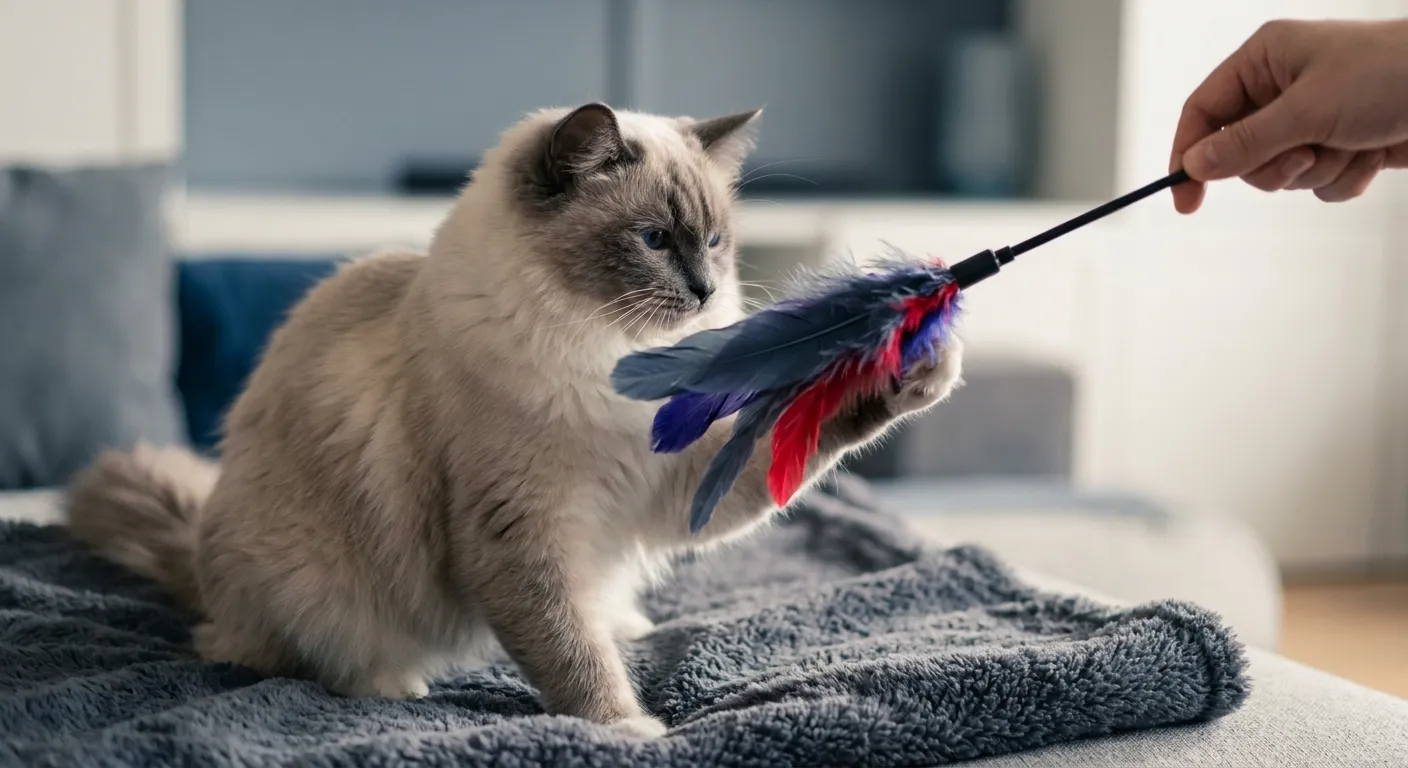
When it comes to choosing toys for your Ragdoll, variety is key. Wand toys with feathers or ribbons are often a huge hit, allowing you to mimic prey movements and engage your cat in exciting chase and pounce sequences. Laser pointers can be fun, but always end the session with a physical toy they can ‘catch’ to prevent frustration. Puzzle feeders are excellent for mental stimulation, challenging your Ragdoll to ‘work’ for their treats. Motorized toys or toys with catnip can also capture their attention, especially when you’re not actively playing. Remember, rotating toys keeps things fresh and exciting, preventing your Ragdoll from getting bored with the same old options. Moreover, consider toys that encourage your Ragdoll to explore their home setup safely.
Wand Toys: The Classic Choice
Wand toys remain a perennial favorite among cat owners and their feline friends. These versatile tools allow you to control the movement of a ‘prey’ item, such as feathers, ribbons, or small stuffed animals, at the end of a string or wire. This dynamic interaction simulates a hunting experience, which is incredibly satisfying for a Ragdoll. Crucially, it allows them to stalk, pounce, and ‘capture’ their prey, fulfilling their natural instincts. Always ensure the wand toy is sturdy and free from small parts that could be swallowed. Supervision during playtime is always recommended to ensure safety.
Puzzle Feeders: Mental Stimulation and Slow Feeding
Puzzle feeders offer a fantastic way to combine mealtime with mental exercise. These toys require your Ragdoll to use their problem-solving skills to extract treats or kibble. Consequently, this slows down their eating, which can be beneficial for digestion and weight management. There are various types available, from simple treat balls to more complex mazes. Introducing different puzzle feeders helps keep your Ragdoll engaged and prevents them from becoming bored with a single challenge. This type of enrichment is particularly helpful for Ragdolls who might otherwise experience boredom in busy lifestyles.
Motorized and Electronic Toys: Independent Fun
For times when you’re unable to actively participate, motorized and electronic toys can provide excellent independent entertainment. These toys often feature unpredictable movements, lights, or sounds that mimic prey, keeping your Ragdoll intrigued. Examples include automatic laser pointers (used with caution and a ‘catch’ toy), moving mice, or toys that randomly pop out from under a cover. While these are great for solo play, remember they are not a substitute for direct Ragdoll interactive play with you. They simply supplement your joint play sessions.
Catnip Infused Toys: A Burst of Excitement
Many Ragdolls respond positively to catnip, experiencing a burst of playful energy or relaxed bliss. Catnip-infused toys can be a great way to introduce novelty and excitement into your cat’s play routine. These toys range from simple sachets to more elaborate designs. Observe your Ragdoll’s reaction to catnip; while many enjoy it, some are unaffected. If your cat loves it, use catnip toys periodically to maintain their special appeal, rather than leaving them out all the time.
Crafting the Perfect Play Environment for Your Ragdoll
Beyond individual toys, the overall play environment significantly influences your Ragdoll’s engagement. A stimulating environment encourages natural behaviors and provides ample opportunities for Ragdoll interactive play. Consider vertical spaces, such as cat trees or shelves, which allow your Ragdoll to climb and observe their surroundings from a height. Tunnels and crinkle toys also add an element of surprise and fun, mimicking hiding spots and rustling sounds. A well-designed play area contributes greatly to their overall happiness and physical health.
Vertical Spaces and Climbing Opportunities
Ragdolls, despite their size, enjoy exploring vertical spaces. Cat trees, scratching posts with multiple levels, and even wall-mounted shelves provide excellent opportunities for climbing, perching, and observing. These elevated vantage points offer a sense of security and satisfy their natural desire to survey their territory. Incorporating vertical elements into your home encourages physical activity and adds another dimension to their play, making their environment more enriching. This is especially important for maintaining healthy Ragdoll cat sleep patterns, as a tired cat sleeps better.
Safe and Engaging Play Areas
Creating designated safe play areas is essential. Ensure these spaces are free from hazards like small ingestible objects, toxic plants, or dangling cords. Soft rugs or carpets can provide comfortable landing spots for pounces. Rotating the location of certain toys or play stations can also keep the environment fresh and exciting, encouraging continued exploration and Ragdoll interactive play. Consider a ‘toy box’ where toys are stored and rotated to maintain novelty.
Integrating Ragdoll Interactive Play into Your Daily Routine
Consistency is key when it comes to playtime. Establishing a regular schedule helps your Ragdoll anticipate and look forward to their play sessions. Aim for at least two to three short play sessions daily, each lasting 10-15 minutes. Morning and evening are often ideal, as these times align with their natural crepuscular activity patterns. Pay attention to your Ragdoll’s cues; they will often signal their desire to play through meows, nudges, or bringing you a favorite toy. Building these routines strengthens your bond and provides crucial mental and physical exercise.
Morning and Evening Play Sessions
Many Ragdolls are most active during dawn and dusk. Therefore, scheduling play sessions in the morning before you start your day and in the evening before bed can align perfectly with their natural rhythms. Morning play can help burn off energy, leading to a more relaxed day for your cat. Evening play can help tire them out, promoting better sleep for both of you. Consistency in these timings will establish a predictable routine that your Ragdoll will appreciate.
Reading Your Ragdoll’s Play Cues
Understanding your Ragdoll’s body language during play is vital. Look for signs of engagement, such as dilated pupils, a wiggling rear end before a pounce, and focused attention on the toy. Conversely, if your Ragdoll seems uninterested, tries to hide, or shows signs of overstimulation (like flattened ears or a swishing tail), it might be time to take a break. Respecting their boundaries ensures that playtime remains a positive and enjoyable experience. Recognising these cues is part of understanding affectionate Ragdoll cats.
Common Mistakes to Avoid During Playtime
While Ragdoll interactive play is generally straightforward, certain mistakes can inadvertently diminish its effectiveness or even cause frustration. For instance, never use your hands or feet as toys, as this can encourage aggressive play and lead to nips or scratches. Always use appropriate toys. Another common error is neglecting to rotate toys, leading to boredom. Furthermore, always ensure that laser pointer play ends with a physical ‘catch’ to prevent frustration, as mentioned previously. Awareness of these pitfalls helps ensure a positive experience for your feline companion.
Avoiding Frustration with Laser Pointers
Laser pointers can be highly engaging, but they must be used correctly. The key issue is that a laser dot offers no physical reward for your cat’s hunting efforts. This can lead to frustration and anxiety. To prevent this, always redirect your Ragdoll to a physical toy they can capture and ‘kill’ immediately after a laser pointer session. This allows them to complete the hunting sequence and feel satisfied, reinforcing the positive aspects of Ragdoll interactive play. A short, satisfying catch makes all the difference.
Not Using Hands as Toys
It’s tempting to wrestle and play rough with your cute Ragdoll kitten or cat using your bare hands. However, this teaches them that hands are acceptable targets for biting and scratching. This behavior, once learned, can be difficult to unlearn and can lead to painful interactions. Instead, always use appropriate toys for play. This establishes clear boundaries and ensures that your hands are associated with petting and affection, not with roughhousing. This is a crucial lesson for Ragdoll kitten care.
The Link Between Play and Overall Ragdoll Health
Beyond the immediate joy, consistent and engaging interactive play significantly contributes to your Ragdoll’s long-term health. Physical activity helps prevent obesity, a common issue in indoor cats, and supports cardiovascular health. Mental stimulation keeps their minds active and reduces the risk of cognitive decline as they age. Moreover, playtime can be a fantastic stress reliever, helping to manage anxiety and improve their overall emotional well-being. A happy, well-exercised Ragdoll is generally a healthier Ragdoll, requiring fewer vet visits for preventable issues. In addition, regular play can reduce stress, which is vital for their immune system, as noted by veterinary experts at ASPCA.
Preventing Obesity and Maintaining Physical Fitness
Obesity is a significant health concern for many indoor cats, including Ragdolls. Regular Ragdoll interactive play is one of the most effective ways to combat this. Active play sessions burn calories, build muscle, and maintain a healthy metabolism. Combined with a balanced diet, consistent physical activity ensures your Ragdoll stays at a healthy weight, reducing the risk of associated health problems like diabetes and joint issues. This focus on fitness is as important as their regular vet schedule.
Mental Well-being and Cognitive Function
Just like humans, cats need mental exercise to keep their brains sharp. Interactive play, especially with puzzle toys or varied play routines, provides this essential stimulation. It encourages problem-solving, strategic thinking, and alertness. For older Ragdolls, maintaining mental activity through play can help stave off cognitive decline and keep them engaged with their environment. A mentally stimulated cat is a more content and well-adjusted cat. The Journal of Feline Medicine and Surgery often highlights the importance of environmental enrichment for feline cognitive health.
Conclusion
Incorporating Ragdoll interactive play into your daily routine is a simple yet profoundly effective way to ensure your cat remains happy, healthy, and engaged. These playful moments are not just entertainment; they are an investment in your Ragdoll’s physical and mental health. By understanding their playful nature, selecting appropriate toys, and creating a stimulating environment, you can foster a stronger bond and provide a lifetime of joy for your beloved feline companion. Remember, a playful Ragdoll is a happy Ragdoll, and their well-being is truly in your hands.
FAQ Section
What are the best types of toys for a Ragdoll cat?
Ragdolls typically enjoy a variety of toys, including wand toys with feathers or ribbons, puzzle feeders for mental stimulation, and soft, plush toys they can carry. Motorized toys can also provide independent entertainment when you’re busy. Rotating these toys keeps things fresh and exciting.
How often should I play with my Ragdoll?
Aim for at least two to three interactive play sessions daily, each lasting 10-15 minutes. Morning and evening are often ideal times as they align with your Ragdoll’s natural activity peaks. Consistency helps establish a routine and strengthens your bond.
Can play help my Ragdoll cat’s behavior?
Absolutely! Engaging play provides an outlet for natural hunting instincts, reduces boredom, and helps manage excess energy. This can significantly reduce the likelihood of unwanted behaviors stemming from under-stimulation or stress, making for a happier and more well-adjusted feline friend.
Are laser pointers good for cat play?
Laser pointers can be fun, but it’s crucial to use them correctly. Always end a laser pointer session by immediately redirecting your Ragdoll to a physical toy they can ‘catch’ and ‘kill.’ This prevents frustration caused by the inability to complete the hunting sequence with the laser dot.
What is the importance of a stimulating play environment?
A stimulating play environment, including vertical spaces like cat trees, tunnels, and varied toys, encourages physical activity and mental engagement. This contributes to your Ragdoll’s overall well-being, prevents boredom, and allows them to express natural behaviors in a safe and enriching setting.
Related reading: