Watching your cat vomit can be upsetting, especially if it happens without warning. Understanding Cat Vomiting Causes is essential because vomiting can range from a harmless hairball to a sign of a serious medical condition. Although an occasional episode may not always require emergency treatment, frequent or severe vomiting should never be ignored. By learning the possible reasons behind this common symptom, you can respond appropriately and help protect your cat’s health.
Cats vomit for many different reasons, and not every cause is dangerous. Some cats may throw up after eating too quickly, while others develop vomiting because of infections, digestive disorders, food allergies, or underlying diseases. Since cats naturally hide signs of illness, vomiting may be one of the first clues that something is wrong. Paying attention to your cat’s behavior before and after vomiting provides valuable information for both you and your veterinarian.
Understanding Why Cats Vomit
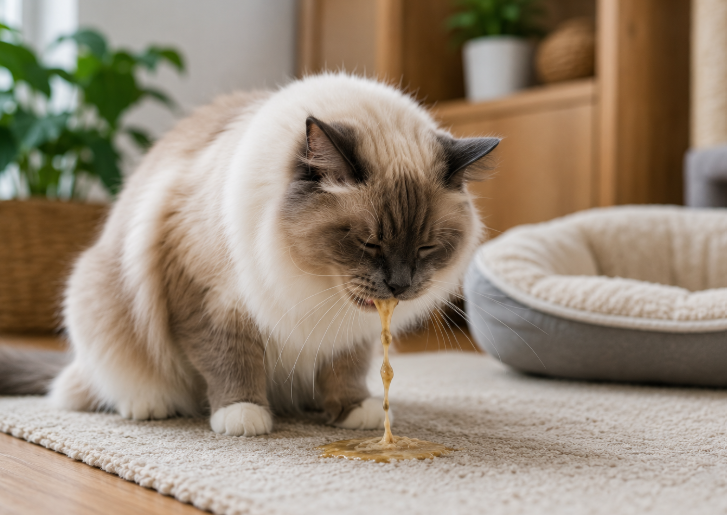
There are many possible Cat Vomiting Causes, and identifying the correct one depends on your cat’s age, health, and overall condition. Vomiting is the forceful expulsion of stomach contents through the mouth. It differs from regurgitation, which occurs without effort and usually involves undigested food coming back up shortly after eating.
Occasional vomiting can happen even in healthy cats. Hairballs are one of the most common reasons because cats swallow loose fur while grooming. As the fur collects inside the stomach, it may eventually be expelled as a tubular hairball surrounded by stomach fluid.
However, repeated vomiting is not considered normal. If your cat vomits several times within a day or continues vomiting over multiple days, the problem deserves veterinary attention.
Common Causes of Vomiting
Some Cat Vomiting Causes are relatively minor and resolve quickly with supportive care. Eating too quickly often causes cats to vomit immediately after meals because the stomach becomes overloaded before digestion begins.
Sudden dietary changes may also upset the digestive system. Introducing new food without a gradual transition can lead to stomach irritation. Therefore, switching foods slowly over seven to ten days is usually recommended.
Food intolerance or allergies represent another possibility. Certain ingredients may trigger digestive upset in sensitive cats. In these cases, your veterinarian may recommend a limited-ingredient or prescription diet.
Hairballs remain a frequent cause, especially in long-haired breeds. Regular grooming helps reduce loose fur while specialized hairball-control diets may also decrease their formation.
Additionally, intestinal parasites can irritate the digestive tract and cause vomiting, particularly in kittens and outdoor cats. Routine parasite prevention greatly reduces this risk.
Medical Conditions That Can Cause Vomiting
Some Cat Vomiting Causes involve underlying diseases that require prompt treatment. Kidney disease is especially common in older cats and often causes nausea, reduced appetite, weight loss, and repeated vomiting.
Liver disease can produce similar symptoms along with yellowing of the eyes or gums. Diabetes may also contribute to vomiting, particularly when blood sugar becomes poorly controlled.
Inflammatory bowel disease is another chronic condition affecting the digestive tract. Cats with this disorder often experience recurring vomiting, diarrhea, and gradual weight loss.
Pancreatitis, which involves inflammation of the pancreas, frequently causes vomiting, abdominal pain, and lethargy. Although symptoms vary between cats, this condition often requires veterinary hospitalization.
Hyperthyroidism in senior cats may also increase vomiting while causing excessive appetite, weight loss, and hyperactivity.
Because many illnesses share similar symptoms, diagnostic testing is often necessary to determine the exact cause.
Warning Signs That Require Immediate Care
While some Cat Vomiting Causes are mild, others become emergencies if left untreated. Contact your veterinarian immediately if vomiting occurs repeatedly within a few hours or continues for more than one day.
Blood in the vomit should always be taken seriously. Likewise, vomiting combined with severe lethargy, collapse, breathing difficulty, or inability to keep water down requires urgent evaluation.
Cats that swallow foreign objects such as string, ribbon, rubber bands, or small toys may develop intestinal blockages. These situations often require surgery and should never be managed at home.
Poisoning is another emergency. Toxic plants, medications, cleaning products, antifreeze, and certain human foods can rapidly cause vomiting and life-threatening complications.
Young kittens and senior cats become dehydrated much faster than healthy adults. Therefore, prompt treatment is especially important for these age groups.
How Veterinarians Diagnose the Problem
Determining the exact Cat Vomiting Causes begins with a detailed medical history. Your veterinarian will ask how often vomiting occurs, what the vomit looks like, when symptoms began, and whether appetite or behavior has changed.
A complete physical examination follows. Blood tests often evaluate kidney function, liver health, infection, blood sugar, and hydration status. Urine testing provides additional information about organ function.
Depending on the suspected cause, your veterinarian may recommend X-rays or ultrasound imaging to identify foreign objects, tumors, intestinal disease, or organ abnormalities.
Fecal examinations help detect intestinal parasites, while specialized digestive tests may identify inflammatory bowel disease or food sensitivities.
Although several tests may seem extensive, they often prevent unnecessary treatments and allow targeted care that addresses the underlying problem.
Caring for Your Cat at Home
After serious Cat Vomiting Causes have been ruled out, supportive home care often helps mild digestive upset resolve more comfortably.
Always provide fresh water to prevent dehydration. If your cat continues vomiting after drinking, seek veterinary advice immediately instead of withholding fluids for extended periods.
Feed small portions of easily digestible food if your veterinarian recommends it. Sudden fasting without professional guidance is generally discouraged, especially for overweight cats, because prolonged lack of food may contribute to liver disease.
Keep your cat indoors in a quiet environment where activity remains limited during recovery. Monitor appetite, water intake, litter box habits, and overall behavior closely.
Never give human medications unless specifically instructed by your veterinarian. Many common medications that are safe for people can be highly toxic to cats.
Preventing Future Episodes
Preventing many Cat Vomiting Causes begins with consistent daily care. Feed high-quality food appropriate for your cat’s age and health status. Introduce dietary changes gradually to reduce digestive upset.
Brush your cat regularly, especially if they have long hair. Grooming removes loose fur before it can be swallowed and form hairballs.
Maintain routine parasite prevention, schedule annual veterinary examinations, and keep vaccinations current. These simple steps reduce the likelihood of many illnesses that contribute to vomiting.
Store medications, cleaning products, toxic plants, and dangerous foods securely out of your cat’s reach. Prevention remains far easier than treating poisoning or intestinal blockages.
Finally, observe your cat every day. Early recognition of appetite changes, reduced activity, or digestive symptoms allows problems to be addressed before they become severe.
Conclusion
Understanding Cat Vomiting Causes helps every cat owner respond quickly and confidently when digestive problems occur. While occasional vomiting may result from hairballs or eating too fast, repeated episodes often indicate an underlying health concern that deserves professional attention.
Careful observation, prompt veterinary care, and consistent preventive health measures all contribute to better outcomes. By recognizing warning signs early and maintaining healthy daily habits, you give your cat the best opportunity to recover quickly and enjoy a long, comfortable life.
FAQ
1. How often is vomiting considered normal for a cat?
Occasional vomiting may occur, especially from hairballs, but frequent or repeated vomiting is not considered normal and should be evaluated.
2. When should I call a veterinarian?
Seek veterinary care if vomiting lasts more than 24 hours, contains blood, happens repeatedly, or is accompanied by weakness, diarrhea, or loss of appetite.
3. Can hairballs make cats vomit regularly?
Yes. Hairballs are a common cause, particularly in long-haired cats, although frequent hairballs may require dietary or grooming changes.
4. Should I stop feeding my cat after vomiting?
Follow your veterinarian’s advice. In many cases, small portions of easily digestible food are preferred once vomiting has settled.
5. How can I reduce future digestive problems?
Feed a high-quality diet, groom regularly, introduce new foods gradually, maintain parasite prevention, and schedule routine veterinary checkups.