For any Ragdoll owner, understanding potential Ragdoll cat health problems is crucial for ensuring a long and happy life for their cherished companion. While Ragdolls are generally robust, they are prone to certain hereditary and breed-specific conditions. Being informed about these health concerns allows you to recognize symptoms early, seek timely veterinary care, and implement preventative measures to safeguard your feline’s well-being. This guide will delve into common health challenges faced by Ragdolls and offer practical advice for proactive care, helping you confidently navigate their unique health landscape.
Understanding Common Ragdoll Cat Health Problems
Ragdolls, like many purebred cats, have a genetic predisposition to several health issues. Awareness of these specific health concerns is the first step in prevention and early intervention. Therefore, familiarizing yourself with these conditions is very important for responsible pet ownership.
Hypertrophic Cardiomyopathy (HCM)
HCM is the most common heart disease in cats, characterized by a thickening of the heart muscle. Ragdolls are particularly susceptible to this condition. Symptoms can include lethargy, difficulty breathing, or even sudden collapse. Regular veterinary check-ups, including cardiac screenings (echocardiograms), are vital for early detection, especially if your Ragdoll has a family history of HCM. Genetic testing is also available for some markers, offering valuable insights. Furthermore, proactive cardiac care is a key aspect of managing potential Ragdoll health issues.
Polycystic Kidney Disease (PKD)
PKD is an inherited condition where cysts develop in the kidneys, eventually leading to kidney failure. While more commonly associated with Persian cats, Ragdolls can also be affected. Symptoms often appear in middle to later life and include increased thirst and urination, weight loss, and lethargy. A simple DNA test can determine if your Ragdoll carries the gene for PKD, making it essential for responsible breeders to screen their cats. Early diagnosis of kidney issues can significantly improve management.
Feline Mucopolysaccharidosis (MPS VI)
MPS VI is a rare genetic disorder affecting bone and cartilage development. It can lead to skeletal deformities, facial changes, and mobility issues. While less common, it’s a severe condition. Reputable breeders will screen for this condition to prevent its spread. If you notice any unusual gait, stiff joints, or facial changes, consult your vet immediately. Early intervention is crucial for managing this rare but serious condition.
Urinary Tract Issues
Ragdolls can be prone to urinary tract infections (UTIs) and Feline Lower Urinary Tract Disease (FLUTD), including bladder stones or crystals. Symptoms include frequent attempts to urinate, straining, crying in the litter box, or urinating outside the box. Ensuring adequate water intake through wet food, fresh water sources, and clean litter boxes can help prevent these issues. Stress reduction is also key, as stress can contribute to FLUTD. For more detailed guidance on maintaining their health, refer to our article on Ragdoll Cat Vet Schedule for Lifelong Health.
Dental Health Considerations
Like all cats, Ragdolls are susceptible to dental diseases such as gingivitis and periodontitis. Poor dental health can lead to pain, infection, and even impact overall systemic health. Regular dental care, including professional cleanings and at-home brushing, is essential. Offering dental-specific treats or food can also help. Therefore, prioritizing oral hygiene is a critical component of preventing common feline ailments.
Recognizing Symptoms of Ragdoll Cat Health Problems Early
Early recognition of symptoms is paramount for effective treatment and better outcomes for your Ragdoll. Being observant of your cat’s daily habits and demeanor can make a significant difference. Any deviation from their normal behavior warrants attention.
Behavioral Changes
- Lethargy or Reduced Activity: A sudden decrease in energy or reluctance to play could indicate an underlying issue.
- Changes in Appetite or Thirst: Eating or drinking significantly more or less than usual can be a red flag for various health conditions.
- Hiding or Increased Irritability: Cats often hide when they are not feeling well. Increased aggression or irritability can also signal discomfort.
- Changes in Litter Box Habits: Straining, frequent visits, or urinating outside the box are strong indicators of urinary problems.
Physical Indicators
- Weight Loss or Gain: Unexplained changes in weight should always be investigated by a veterinarian.
- Changes in Coat Condition: A dull, matted, or excessively shedding coat can point to nutritional deficiencies or illness. For tips on managing shedding, see Reduce Ragdoll Cat Shedding With Simple Care.
- Vomiting or Diarrhea: Occasional hairballs are normal, but persistent vomiting or diarrhea requires veterinary attention.
- Difficulty Breathing or Coughing: These symptoms can indicate respiratory or cardiac issues, such as HCM.
- Lumps or Bumps: Any new growths should be examined by a vet to rule out tumors or other concerns.
Monitoring these signs diligently allows you to catch potential issues before they escalate. Consequently, regular observation is a cornerstone of proactive care.
Preventative Measures for Ragdoll Cat Health Problems
Prevention is always better than cure. Implementing a proactive health strategy can significantly reduce the risk of your Ragdoll developing serious health conditions. This involves a combination of veterinary care, proper nutrition, and a supportive home environment.
Regular Veterinary Check-ups
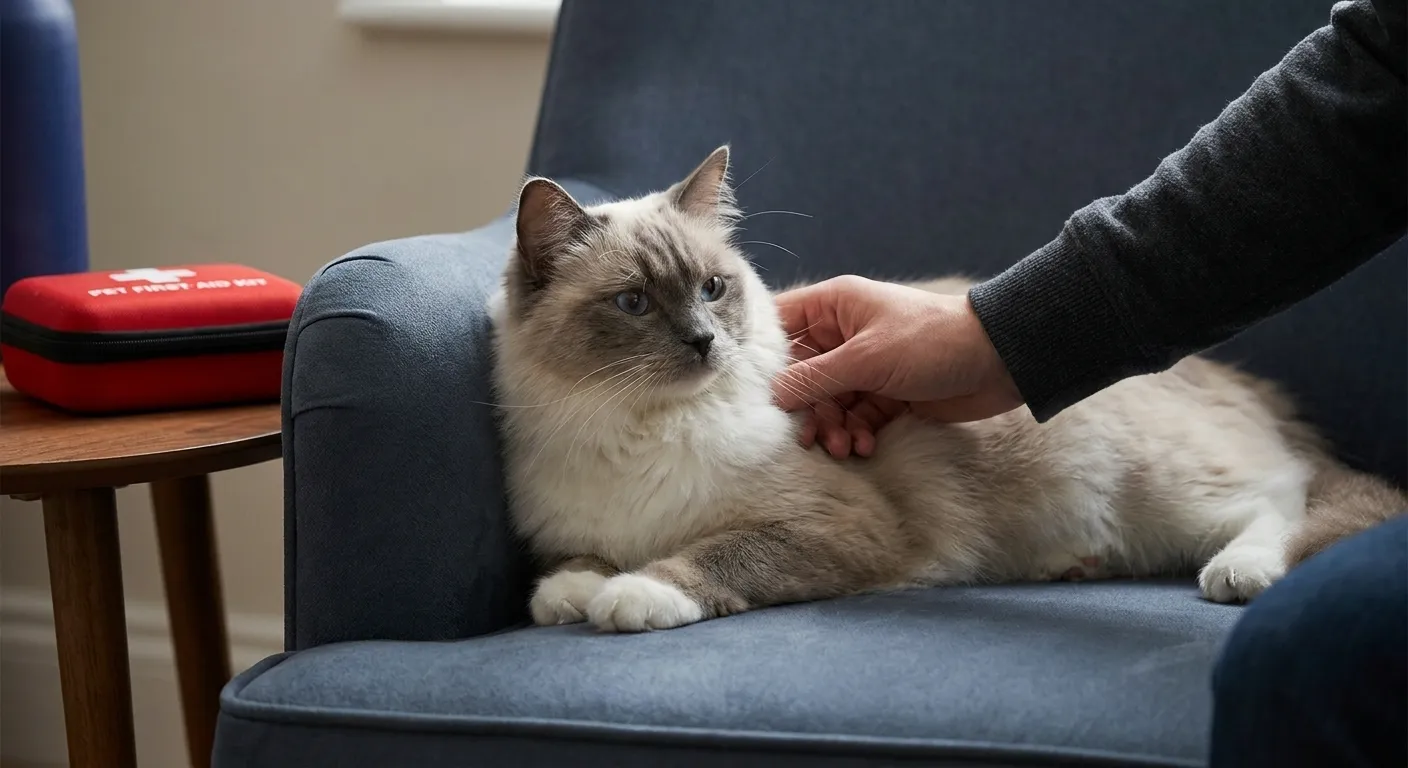
Annual veterinary visits are essential for all cats, but especially for purebreds like Ragdolls. These check-ups allow your vet to perform physical examinations, recommend screenings, and administer necessary vaccinations. For instance, early detection of heart murmurs or kidney abnormalities can be life-saving. Furthermore, discussing your Ragdoll Cat Vet Schedule for Lifelong Health with your veterinarian ensures all their needs are met.
High-Quality Nutrition
A balanced diet is fundamental to a Ragdoll’s overall health. Choose high-quality cat food appropriate for their life stage. Wet food can be particularly beneficial for promoting hydration and supporting urinary tract health. Avoid overfeeding to prevent obesity, which can exacerbate joint problems and other health issues. For example, a diet rich in essential nutrients supports a strong immune system.
Hydration is Key
Encourage your Ragdoll to drink plenty of water. Provide multiple water bowls, a pet fountain, or incorporate wet food into their diet. Good hydration is crucial for kidney function and preventing urinary tract problems. In fact, many common feline ailments are linked to insufficient water intake.
Dental Hygiene
Regular dental care, including professional cleanings as recommended by your vet and at-home brushing, helps prevent periodontal disease. Dental treats and water additives can also contribute to better oral health. Consequently, maintaining good dental hygiene is an important aspect of preventing feline health issues.
Weight Management
Maintain your Ragdoll at a healthy weight through appropriate portion control and regular play. Obesity puts extra strain on joints and organs, increasing the risk of diabetes, arthritis, and heart conditions. Therefore, active play not only keeps them mentally stimulated but also physically healthy. For instance, daily interactive play sessions are highly recommended.
Stress Reduction
A calm and consistent environment is vital for your Ragdoll’s well-being. Stress can weaken the immune system and contribute to various health issues, including FLUTD. Provide a consistent routine, safe spaces, and plenty of attention. For more insights on their emotional needs, read about why Ragdoll Cats Need Attention More Than Most Breeds.
Genetic Screening and Responsible Breeding
If you are acquiring a Ragdoll kitten, ensure that the breeder conducts genetic screening for common inherited conditions like HCM, PKD, and MPS VI. Responsible breeding practices significantly reduce the prevalence of these hereditary health issues. Ask for health clearances for both parents. This due diligence is crucial for ensuring a healthy start for your new companion.
Environmental Enrichment
Provide a stimulating environment with toys, scratching posts, and climbing structures. This encourages physical activity and mental engagement, contributing to overall well-being. A happy cat is often a healthy cat. Consequently, a well-enriched environment helps prevent boredom and related stress.
Specific Ragdoll Cat Health Problems and Advanced Management
Beyond the common conditions, understanding the nuances of certain issues can further empower Ragdoll owners. Advanced management often involves specialized veterinary care and a deeper understanding of the condition.
Managing Hypertrophic Cardiomyopathy (HCM)
If your Ragdoll is diagnosed with HCM, your vet will likely recommend medication to manage symptoms and slow progression. This may include beta-blockers, calcium channel blockers, or diuretics. Regular echocardiograms will be necessary to monitor the heart’s condition. While there is no cure, diligent management can significantly improve your cat’s quality of life. Awareness of these specific Ragdoll cat health problems is key.
Living with Polycystic Kidney Disease (PKD)
For Ragdolls with PKD, management focuses on supporting kidney function. This typically involves a special renal diet, increased water intake, and medications to manage symptoms like nausea or high blood pressure. Regular blood and urine tests are crucial to monitor kidney health. Early diagnosis helps in implementing these supportive measures effectively.
Addressing Gastrointestinal Sensitivities
Some Ragdolls may have sensitive digestive systems, leading to issues like inflammatory bowel disease (IBD) or food allergies. Symptoms include chronic vomiting, diarrhea, or weight loss. Diagnosis often involves dietary trials and sometimes biopsies. Management typically includes specialized diets, probiotics, and anti-inflammatory medications. Therefore, careful dietary management is often required.
Eye Conditions
While not as prevalent as other issues, Ragdolls can occasionally experience eye problems such as conjunctivitis or corneal ulcers. Symptoms include redness, discharge, squinting, or pawing at the eyes. Prompt veterinary attention is important for diagnosis and treatment to prevent vision impairment. Additionally, keeping their facial fur clean can help prevent irritation.
The Role of a Healthy Lifestyle in Preventing Ragdoll Cat Health Problems
A holistic approach to your Ragdoll’s health involves more than just reacting to illness; it’s about fostering a lifestyle that promotes vitality. This includes consistent care, a nurturing environment, and a keen eye for detail.
Consistent Grooming
Ragdolls have long, luxurious coats that require regular grooming. Daily brushing prevents mats and tangles, which can pull on their skin and cause discomfort or skin infections. Grooming also allows you to check for lumps, bumps, parasites, or skin irritations that might indicate other health issues. Furthermore, proper grooming helps reduce hairballs, which can cause digestive problems.
Mental Stimulation and Play
Ragdolls are intelligent and playful cats. Providing plenty of opportunities for mental and physical stimulation is crucial. Interactive toys, puzzle feeders, and regular play sessions keep them engaged and prevent boredom, which can lead to stress or behavioral problems. A well-exercised cat is often a happier and healthier cat. For instance, consider different types of toys to keep them interested. To understand their playful nature better, explore Ragdoll Cats Busy Lifestyles and What Owners Should Know.
Safe and Secure Environment
Ensure your home is a safe haven for your Ragdoll. This includes cat-proofing against potential hazards and providing comfortable resting spots. A secure environment reduces stress and allows your cat to thrive. For instance, consider a dedicated Ragdoll Cat Home Setup for Comfort and Safety. This careful preparation helps minimize risks.
Monitoring for Age-Related Issues
As Ragdolls age, they become more susceptible to conditions like arthritis, kidney disease, and cognitive dysfunction. Regular senior check-ups and being aware of the signs of aging can help manage these issues effectively, ensuring comfort in their golden years. For guidance on caring for older felines, our article on Aging Ragdoll Cat Care for Better Senior Wellness offers valuable insights.
Conclusion
Understanding and proactively addressing potential Ragdoll cat health problems is a cornerstone of responsible Ragdoll ownership. By being aware of breed-specific predispositions, recognizing early symptoms, and implementing comprehensive preventative care, you can significantly enhance your beloved feline’s quality of life. Regular veterinary check-ups, a high-quality diet, consistent hydration, and a loving, stimulating environment are all critical components. While genetic factors play a role, your commitment to their well-being makes the biggest difference. With vigilance and dedicated care, your Ragdoll can enjoy a long, healthy, and happy life by your side. Always consult your veterinarian for any health concerns; they are your best resource for personalized advice and treatment plans. For further information on feline health, you can visit authoritative sources such as the Cornell Feline Health Center or the American Association of Feline Practitioners.
FAQ
What are the most common health concerns for Ragdoll cats?
Ragdoll cats are primarily prone to Hypertrophic Cardiomyopathy (HCM), a heart condition, and Polycystic Kidney Disease (PKD). They can also experience urinary tract issues and dental problems. Responsible breeders screen for genetic predispositions to these ailments.
How can I tell if my Ragdoll is experiencing health issues?
Look for changes in behavior such as lethargy, altered appetite or thirst, hiding, or unusual litter box habits. Physical signs like weight changes, dull coat, vomiting, diarrhea, or difficulty breathing also warrant immediate veterinary attention. Early detection is key to managing feline health conditions.
Are there any genetic tests available for Ragdoll cat illnesses?
Yes, genetic tests are available for Hypertrophic Cardiomyopathy (HCM) and Polycystic Kidney Disease (PKD) in Ragdolls. These tests help breeders make informed decisions and can provide owners with valuable information about their cat’s potential health risks. Consult your vet for more details.
What preventative measures can I take for my Ragdoll’s health?
Regular veterinary check-ups, a high-quality diet, ensuring adequate hydration, consistent dental care, and maintaining a healthy weight are crucial. Additionally, providing a stress-free and stimulating environment contributes significantly to their overall well-being. Proactive care helps prevent many feline ailments.
How often should a Ragdoll cat visit the vet?
Adult Ragdolls should have annual veterinary check-ups. Kittens require a series of vaccinations and check-ups. As they age, senior Ragdolls (typically seven years and older) may benefit from semi-annual visits to monitor for age-related conditions. Following a consistent vet schedule is vital for managing any potential health challenges.
Related reading: