
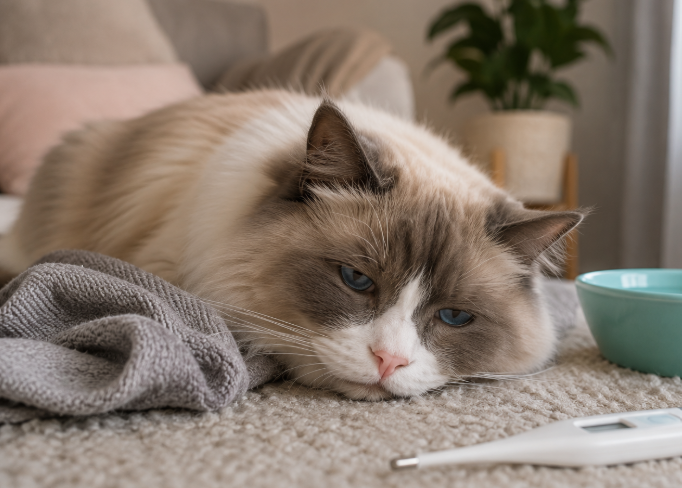
Cats are masters at hiding pain and discomfort. This survival instinct comes from their wild ancestors, who concealed weakness to avoid becoming targets for predators. Because of this behavior, many owners fail to notice health problems until they have progressed. Learning the Early Signs of Illness in Cats gives you a better chance of spotting trouble before it becomes an emergency. Even subtle changes in your cat’s appearance, behavior, or routine may point to an underlying condition that deserves attention.
Many illnesses respond better when diagnosed early. Although not every unusual behavior signals a serious disease, paying close attention to small changes allows you to make informed decisions about your cat’s health. Furthermore, knowing what is normal for your pet makes it easier to recognize when something feels different. A proactive approach can improve treatment outcomes, reduce medical costs, and help your cat enjoy a longer, healthier life.
Why Cats Often Hide Their Illness
Unlike dogs, cats rarely make obvious displays when they feel unwell. Instead, they often become quieter, sleep more, or simply change their routine. Consequently, owners may assume their cat is having a lazy day rather than experiencing discomfort.
Cats naturally avoid showing weakness because vulnerability could threaten survival in the wild. Although domestic cats live in safe homes, those instincts remain strong. Therefore, it is important to notice patterns instead of waiting for dramatic symptoms.
Watching your cat every day helps establish a baseline for normal behavior. As a result, even slight differences become easier to recognize before a condition worsens.
Changes in Appetite Should Never Be Ignored
One of the Early Signs of Illness in Cats is a noticeable change in appetite. A healthy cat usually follows a predictable eating routine. If your pet suddenly eats much less, refuses food entirely, or begins eating significantly more than usual, something may be wrong.
A poor appetite can result from dental disease, digestive problems, infections, kidney disease, or even stress. Meanwhile, increased hunger may indicate diabetes, hyperthyroidism, or nutritional deficiencies.
Cats should never go several days without eating. In fact, prolonged loss of appetite can lead to fatty liver disease, a potentially life-threatening condition. If your cat refuses food for more than 24 hours, contact your veterinarian promptly.
Weight Changes Without Explanation
Unexpected weight loss deserves immediate attention. Even if your cat appears to eat normally, losing weight may indicate chronic disease, parasites, cancer, or metabolic disorders.
Likewise, sudden weight gain should not be dismissed. Obesity increases the risk of diabetes, arthritis, heart disease, and reduced mobility. Therefore, regular weight checks at home or during veterinary visits help identify changes early.
Keeping a simple monthly record of your cat’s weight provides valuable information if health concerns arise later.
Reduced Energy and Activity
Every cat has different energy levels. However, noticeable reductions in activity often rank among the Early Signs of Illness in Cats.
Perhaps your playful kitten suddenly avoids toys. Maybe your adult cat stops jumping onto favorite furniture or spends unusually long hours hiding. These changes can signal pain, fever, infection, arthritis, or internal disease.
Older cats naturally slow down with age. Even so, sudden lethargy should always be investigated rather than attributed to aging alone.
Changes in Drinking and Urination
Water intake offers valuable clues about your cat’s health. Drinking much more water than usual can indicate diabetes, kidney disease, hyperthyroidism, or other medical conditions.
Likewise, reduced drinking may contribute to dehydration, especially during warm weather or illness.
Pay close attention to litter box habits as well. Frequent urination, straining, bloody urine, accidents outside the box, or complete inability to urinate all require veterinary evaluation.
Male cats with urinary blockages need emergency treatment because this condition can become fatal within hours.
Vomiting or Diarrhea That Continues
Occasional vomiting from a hairball may not indicate serious illness. However, repeated vomiting, frequent diarrhea, or digestive upset lasting more than a day should never be ignored.
Digestive symptoms can result from infections, parasites, food intolerance, toxins, inflammatory bowel disease, or organ disorders.
Persistent vomiting also causes dehydration, making prompt treatment even more important.
Monitor the frequency, appearance, and duration of digestive problems so you can provide accurate information during your veterinary visit.
Changes in Grooming Habits
Cats usually spend several hours each day grooming themselves. Consequently, coat condition often reflects overall health.
A cat that suddenly stops grooming may be experiencing pain, arthritis, obesity, dental disease, or general illness. On the other hand, excessive grooming may indicate allergies, parasites, skin infections, stress, or anxiety.
A dull, greasy, or matted coat frequently develops when grooming decreases. Therefore, changes in fur quality deserve closer attention.
Breathing Problems Need Immediate Attention
Healthy cats breathe quietly and comfortably while resting. Open-mouth breathing, wheezing, rapid breathing, persistent coughing, or labored breathing should always be treated as urgent concerns.
Respiratory symptoms may result from asthma, heart disease, infections, allergies, or fluid around the lungs.
Do not wait to see whether breathing problems improve on their own. Immediate veterinary care may save your cat’s life.
Behavioral Changes Can Signal Disease
Cats communicate discomfort through behavior long before physical symptoms become obvious.
A friendly cat that suddenly becomes aggressive may be in pain. Likewise, a social cat that begins hiding constantly may not simply want privacy.
Some cats vocalize more when experiencing discomfort. Others become unusually quiet. Even changes in sleeping locations can provide important clues.
Paying attention to these subtle differences often helps detect illness at an earlier stage.
Bad Breath Is More Than a Cosmetic Problem
Many owners assume bad breath is normal, but healthy cats should not have extremely unpleasant breath.
Persistent odor often points to dental disease, gum infections, tooth decay, or oral injuries. In some cases, unusually sweet or ammonia-like breath may indicate diabetes or kidney disease.
Regular dental care not only protects teeth but also reduces the risk of bacteria spreading throughout the body.
Eye and Nose Changes
Bright, clear eyes generally indicate good health. Discharge, redness, squinting, cloudiness, swelling, or excessive tearing may signal infection, injury, allergies, or more serious eye diseases.
Similarly, nasal discharge, frequent sneezing, or persistent congestion can indicate upper respiratory infections or other medical conditions.
Because eye diseases may worsen quickly, prompt treatment often prevents permanent vision damage.
Difficulty Walking or Jumping
Mobility changes are easy to overlook because they often develop gradually.
Your cat may hesitate before jumping onto furniture or avoid stairs altogether. Some cats begin limping, while others simply become less active.
Joint disease, muscle injuries, spinal problems, paw injuries, and arthritis commonly cause mobility issues.
Early treatment improves comfort and helps preserve long-term mobility.
Lumps, Swellings, or Skin Changes
While not every lump is cancerous, every new growth deserves professional evaluation.
Feel your cat gently during regular grooming sessions. Check for unusual bumps, sores, swelling, hair loss, or skin discoloration.
Early diagnosis allows many skin conditions and tumors to be treated more successfully.
Never attempt to diagnose skin abnormalities based solely on appearance.
Persistent Pain Is Not Normal
Pain often appears in subtle ways. Your cat may resist being touched, avoid climbing, hide more often, or become irritable.
Some painful cats crouch in unusual positions or keep their heads lowered for long periods.
Chronic pain reduces quality of life significantly. Fortunately, modern veterinary medicine offers many treatment options once the underlying cause is identified.
When You Should Contact a Veterinarian
Some symptoms require immediate veterinary attention. Difficulty breathing, inability to urinate, seizures, severe injuries, poisoning, collapse, or prolonged unconsciousness should never wait.
Other concerns, including appetite changes, vomiting, diarrhea, unexplained weight loss, persistent coughing, or unusual behavior, deserve prompt appointments even if they seem mild.
Trust your instincts if something feels unusual. Since you know your cat better than anyone else, your observations provide valuable information during diagnosis.
How Routine Care Helps Detect Problems Earlier
Preventive care remains one of the most effective ways to protect feline health. Annual or twice-yearly wellness exams allow veterinarians to identify subtle abnormalities before symptoms become severe.
Routine blood work, urine testing, dental evaluations, parasite prevention, vaccinations, and weight monitoring all contribute to earlier diagnosis.
Meanwhile, maintaining a balanced diet, encouraging exercise, reducing stress, and providing fresh water every day support your cat’s overall health.
Daily interaction also gives you opportunities to notice changes in appetite, grooming, movement, and behavior before they become major concerns.
Conclusion
Recognizing the Early Signs of Illness in Cats can make the difference between early treatment and a serious medical emergency. While cats naturally hide discomfort, careful observation helps reveal subtle changes that might otherwise go unnoticed. Appetite shifts, unusual litter box habits, breathing problems, weight loss, poor grooming, and behavioral changes all deserve attention rather than assumptions.
No owner can prevent every illness, but early action greatly improves the chances of successful treatment. By learning your cat’s normal routines and scheduling regular veterinary care, you become the first line of defense against disease. Paying attention today could protect your companion’s health for many happy years ahead.
FAQ
1. How do I know if my cat is sick or just tired?
If your cat seems tired for more than a day, loses interest in food, hides frequently, or shows other unusual behaviors, schedule a veterinary examination.
2. Is occasional vomiting considered normal?
Hairballs may occasionally cause vomiting, but repeated vomiting, blood, or digestive problems lasting more than 24 hours require veterinary attention.
3. When should I worry about changes in the litter box?
You should seek veterinary care if your cat strains to urinate, produces blood, urinates outside the box repeatedly, or stops urinating altogether.
4. Can behavior changes be the first symptom of disease?
Yes. Many cats become quieter, hide more, act aggressively, or reduce activity before obvious physical symptoms appear.
5. How often should healthy cats visit the veterinarian?
Most healthy adult cats benefit from yearly wellness exams, while senior cats often need checkups every six months for earlier detection of health problems.