
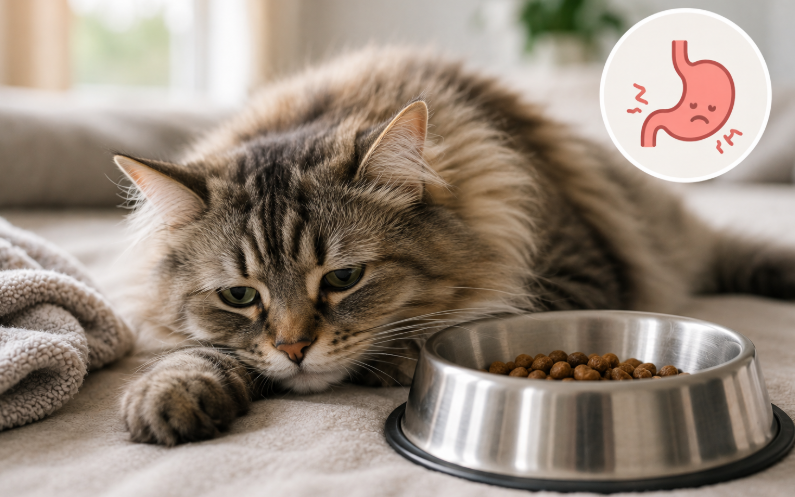
Seeing your cat refuse food can be stressful for any pet owner. Cats usually have predictable eating habits, so even a small change in appetite often raises concern. If you are wondering Why Your Cat Is Not Eating, the answer may range from something temporary and harmless to a medical emergency that requires immediate attention. Understanding the possible reasons behind appetite loss allows you to respond appropriately and protect your cat’s health before a minor problem becomes a serious one.
Unlike many animals, cats should not go long periods without eating. Their bodies depend on regular nutrition, and prolonged food refusal can lead to serious complications, including hepatic lipidosis, also known as fatty liver disease. Because of this risk, every cat owner should recognize the warning signs and know when professional veterinary care is necessary.
A missed meal does not always mean your cat is seriously ill. However, paying close attention to your pet’s behavior, daily routine, and overall condition helps you determine whether the situation deserves immediate action or careful monitoring.
How Long Can a Healthy Cat Go Without Eating?
Before exploring Why Your Cat Is Not Eating, it helps to understand what is considered normal.
Healthy adult cats sometimes skip a single meal, especially during hot weather or after a stressful event. Even so, they should generally return to normal eating fairly quickly.
Most veterinarians recommend contacting a clinic if a healthy adult cat refuses food for more than 24 hours. Kittens, senior cats, and pets with existing medical conditions require attention even sooner because they have less ability to tolerate prolonged fasting.
Water intake also matters. A cat that refuses both food and water faces a much greater risk of dehydration and should receive prompt veterinary evaluation.
Monitoring both eating and drinking habits gives your veterinarian valuable information when diagnosing the underlying cause.
Stress Can Reduce Appetite
Cats thrive on routine, and even small environmental changes may affect their desire to eat.
Moving to a new home, introducing another pet, welcoming a new family member, loud construction, unfamiliar visitors, or changing food bowls can temporarily reduce appetite.
Many cats simply need time to adjust. During this period, maintaining a quiet, predictable environment often encourages them to resume normal eating.
Providing familiar bedding, favorite toys, and consistent feeding schedules can also reduce stress.
Although temporary appetite loss caused by stress often improves within a day, continued refusal to eat deserves closer attention.
Dental Problems Often Make Eating Painful
One of the most common answers to Why Your Cat Is Not Eating involves dental disease.
Cats with sore gums, broken teeth, oral ulcers, or infected teeth may approach their food bowl but suddenly walk away without eating. Some chew only on one side of the mouth, while others drop food after picking it up.
Bad breath, excessive drooling, pawing at the mouth, or facial swelling often accompany dental problems.
Because cats naturally hide pain, these subtle signs may appear before owners recognize that eating has become uncomfortable.
Regular dental examinations help identify problems before they become severe.
Digestive Upset Can Affect Appetite
Just like people, cats sometimes experience stomach discomfort.
Eating spoiled food, sudden dietary changes, hairballs, intestinal inflammation, parasites, or mild infections may cause temporary nausea.
Cats experiencing digestive problems often refuse meals while appearing slightly quieter than usual.
Vomiting, diarrhea, abdominal discomfort, or frequent lip licking may accompany digestive upset.
If symptoms remain mild and your cat quickly resumes eating, the cause may have been temporary. However, persistent digestive problems require veterinary attention to prevent dehydration and identify more serious conditions.
Respiratory Infections Reduce the Sense of Smell
Cats depend heavily on their sense of smell when deciding whether food is appealing.
Upper respiratory infections commonly cause nasal congestion, making it difficult for affected cats to detect food aromas.
As a result, many sick cats lose interest in eating even when they feel hungry.
Sneezing, watery eyes, nasal discharge, coughing, or mild fever often appear alongside reduced appetite.
Warming wet food slightly may increase its aroma and encourage eating while your veterinarian determines the underlying cause.
Kidney Disease Can Cause Appetite Loss
Kidney disease becomes increasingly common as cats grow older.
One of the earliest symptoms involves gradual appetite reduction.
Affected cats may also drink more water, urinate more frequently, lose weight, and become less active.
As toxins accumulate in the bloodstream, nausea often develops, making food less appealing.
Early diagnosis allows veterinarians to begin supportive treatment that may significantly improve quality of life and slow disease progression.
Routine wellness examinations often detect kidney problems before severe symptoms appear.
Liver Disease Requires Immediate Attention
The liver performs many vital functions, including processing nutrients and removing toxins.
When liver disease develops, appetite frequently decreases.
Unfortunately, prolonged fasting places additional strain on the liver, especially in overweight cats.
Cats that stop eating for several days face an increased risk of hepatic lipidosis, a condition requiring aggressive veterinary treatment.
This serious illness develops when stored fat overwhelms the liver during prolonged periods without adequate food intake.
Prompt intervention greatly improves recovery chances.
Diabetes May Affect Eating Habits
Diabetes influences appetite differently depending on the stage of the disease.
Some cats initially become unusually hungry while losing weight.
As the disease progresses or complications develop, appetite may decrease dramatically.
Other symptoms include increased thirst, frequent urination, weakness, and weight loss despite normal eating.
Early diagnosis allows treatment with insulin therapy, dietary management, and ongoing monitoring.
Because diabetes affects multiple body systems, prompt veterinary care remains essential.
Pain Can Prevent Normal Eating
Cats experiencing pain often reduce food intake without obvious signs of injury.
Arthritis, injuries, abdominal pain, urinary problems, or internal disease may all make eating less appealing.
Some painful cats continue visiting their food bowls but eat much smaller amounts than usual.
Others hide more frequently, become quieter, or avoid normal activities.
Observing changes in movement, posture, grooming, and interaction with family members may provide important clues about hidden discomfort.
Never assume reduced appetite is simply part of aging.
Foreign Objects and Intestinal Blockages
Young cats, especially curious kittens, occasionally swallow objects that become lodged within the digestive tract.
String, ribbon, hair ties, small toys, sewing thread, and rubber bands commonly create dangerous blockages.
Cats with intestinal obstruction often stop eating completely.
Vomiting, abdominal pain, constipation, weakness, or repeated attempts to vomit without producing anything frequently accompany the condition.
Because intestinal blockages may require emergency surgery, immediate veterinary care is critical whenever this problem is suspected.
Food Preferences Can Change
Occasionally, the answer to Why Your Cat Is Not Eating is relatively simple.
Cats sometimes reject food because manufacturers change recipes, storage conditions affect freshness, or individual preferences evolve over time.
Wet food may dry out after sitting too long, while kibble stored improperly can lose flavor and aroma.
Offering fresh meals, cleaning food bowls thoroughly, and storing dry food in airtight containers often improves acceptance.
However, avoid changing foods too frequently because sudden dietary changes sometimes create digestive upset instead of solving the problem.
Medication Side Effects
Certain medications temporarily reduce appetite.
Antibiotics, pain medications, chemotherapy drugs, and some anti-inflammatory medications may cause nausea or digestive discomfort.
If your cat begins refusing food shortly after starting a new medication, contact your veterinarian before stopping treatment.
Often, simple adjustments such as changing dosing schedules or providing anti-nausea medication help restore normal eating.
Never discontinue prescribed medication without professional guidance.