Welcoming a Ragdoll cat into your home is a joyous occasion, bringing with it the delightful companionship of a fluffy, affectionate feline. These gentle giants, known for their striking blue eyes and semi-longhaired coats, have unique needs that go beyond general cat care. To ensure your new family member thrives, understanding Ragdoll cat basic care is paramount. This comprehensive guide provides new owners with the foundational knowledge to confidently provide the best for their beloved Ragdoll, establishing a strong bond from day one.
Grooming Your Ragdoll: The Silky Coat Secret
Ragdolls possess a beautiful, plush coat that, while not prone to matting as much as some long-haired breeds, still requires consistent attention. Regular grooming is not just about aesthetics; it’s vital for their skin health, comfort, and preventing hairballs. Integrating grooming into your daily routine early on will make it a positive experience for both of you.
Daily Brushing for a Tangle-Free Coat
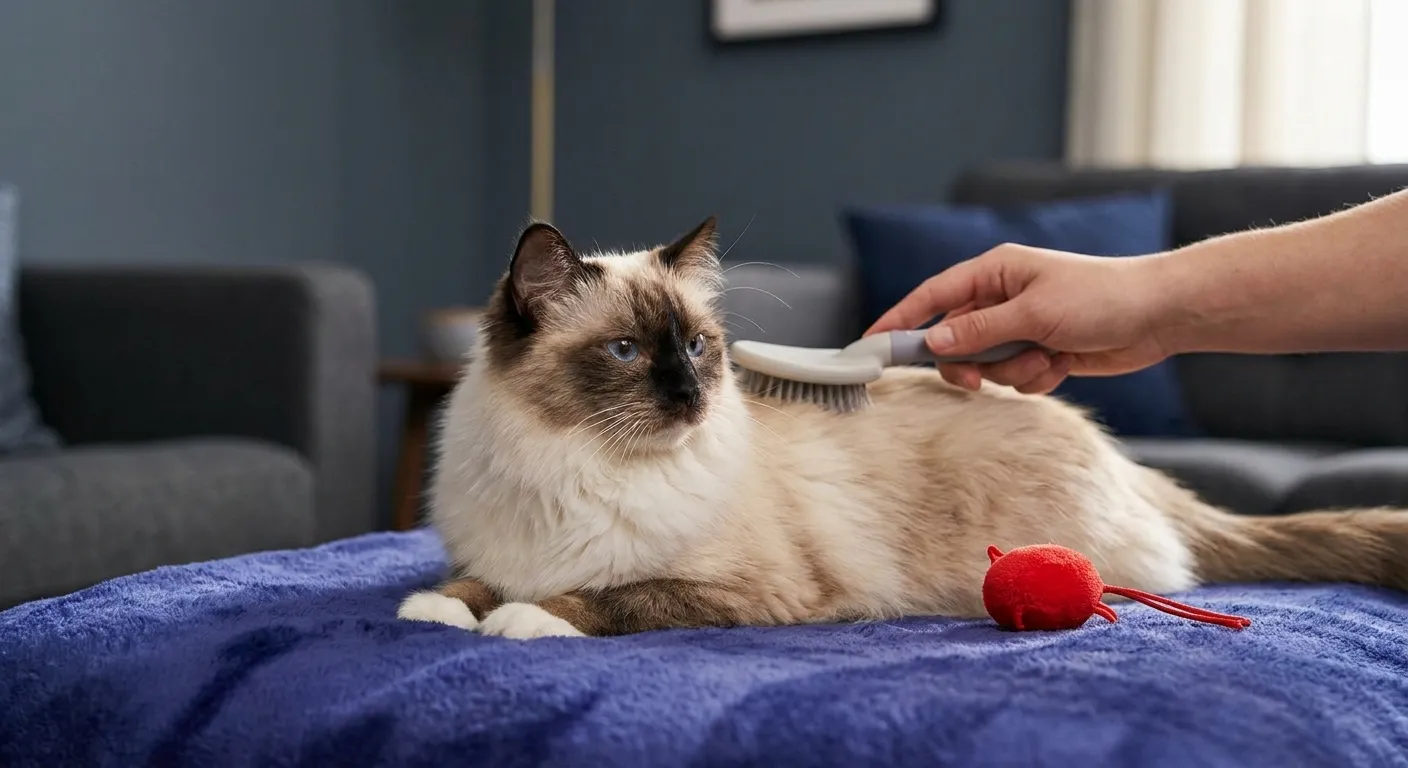
The most crucial aspect of Ragdoll grooming is daily brushing. A soft slicker brush or a wide-toothed comb is ideal for gently working through their semi-long fur. Start with short, positive sessions, focusing on areas prone to tangles like behind the ears, under the legs, and around the ruff. This not only removes loose fur and prevents mats but also distributes natural skin oils, keeping their coat healthy and shiny. Consistent brushing significantly reduces shedding around your home and minimizes the risk of hairball formation. For more tips on managing shedding, explore our guide on Reduce Ragdoll Cat Shedding With Simple Care.
Gentle Nail Trimming
Regular nail trims are essential for all cats, and Ragdolls are no exception. Aim to trim their claws every 2-4 weeks. Use a sharp, cat-specific nail clipper and only snip the very tip, avoiding the quick (the pink part containing blood vessels and nerves). If you’re unsure, ask your vet or a professional groomer for a demonstration. Early introduction to nail trimming makes your Ragdoll more accustomed to the process, preventing scratches and potential damage to furniture.
Tailored Nutrition for Healthy Growth
Proper nutrition forms the bedrock of your Ragdoll’s health and longevity. Given their large size and slow maturation, their dietary needs can differ from smaller breeds. High-quality, age-appropriate food is key.
Kitten to Adult: Dietary Needs
Ragdoll kittens require a diet formulated for growth, rich in protein and essential nutrients to support their developing bodies. As they mature, typically around 3-4 years old, transition them to a high-quality adult cat food. Look for foods with real meat as the first ingredient and avoid excessive fillers. Consult your veterinarian for personalized dietary recommendations based on your Ragdoll’s age, activity level, and any specific health considerations. For detailed guidance on caring for young Ragdolls, refer to our Ragdoll Kitten Care Guide for First-Time Owners.
Hydration is Key
Cats are not naturally inclined to drink large amounts of water. Providing multiple water sources, such as ceramic bowls and a pet water fountain, can encourage them to drink more. Adequate hydration is crucial for urinary tract health, especially important for breeds like Ragdolls. Furthermore, consider incorporating wet food into their diet, which offers additional moisture. Consequently, this helps support their overall well-being and prevents dehydration.
Creating a Safe and Stimulating Environment
A safe, comfortable, and stimulating home environment is vital for your Ragdoll’s happiness and development. These cats are social and thrive on interaction, but they also need their own space.
Comfortable Living Spaces
Ragdolls enjoy lounging in comfortable spots. Provide soft beds, cat trees, and perches where they can relax and observe their surroundings. Since they are indoor cats, ensure their environment is free from hazards like toxic plants, unsecured windows, and small ingestible objects. A secure home setup is a fundamental part of providing excellent Ragdoll cat basic care.
Enrichment and Play
Mental and physical stimulation is essential. Ragdolls are intelligent and playful; therefore, provide a variety of toys, including puzzle feeders, interactive wands, and soft balls. Daily play sessions strengthen your bond and prevent boredom. Consider rotating toys to keep things fresh and engaging. For more insights on setting up their ideal space, check out our guide on Ragdoll Cat Home Setup for Comfort and Safety.
Understanding Ragdoll Health and Wellness
Proactive health management is a cornerstone of responsible pet ownership. Knowing common Ragdoll health concerns and maintaining a regular veterinary schedule is crucial.
Regular Veterinary Check-ups
Even if your Ragdoll appears healthy, annual veterinary check-ups are essential. These visits allow your vet to monitor their overall health, administer necessary vaccinations, and perform preventative screenings. Early detection of health issues can lead to more effective treatment and better outcomes. For a comprehensive overview, read our article on Ragdoll Cat Vet Schedule for Lifelong Health.
Common Health Concerns
Ragdolls are generally healthy, but like all breeds, they can be predisposed to certain genetic conditions. These include hypertrophic cardiomyopathy (HCM) and polycystic kidney disease (PKD). Reputable breeders screen their cats for these conditions. Discuss these concerns with your vet and breeder to understand potential risks. Furthermore, pay attention to any changes in your cat’s behavior, appetite, or litter box habits, as these can indicate a health problem. Prompt veterinary attention is always recommended.
Socialization and Temperament: The Gentle Giant
Ragdolls are renowned for their docile and affectionate nature, often described as
Related reading: