Ragdoll cats are renowned for their robust health and generally long lifespans, often living well into their teens. However, like all breeds, they can be predisposed to specific health conditions. Being informed about potential Ragdoll cat health issues is not about dwelling on the negative, but about empowering yourself with knowledge for proactive care. Understanding common ailments, recognizing early warning signs, and implementing preventative strategies are key to ensuring your cherished companion lives the healthiest, happiest life possible. Indeed, early action can make a significant difference in their quality of life.
Recognizing Common Ragdoll Cat Health Issues
While responsible breeding practices aim to minimize genetic predispositions, it’s wise for all Ragdoll owners to be aware of the following conditions. Consequently, a proactive approach to their well-being is always recommended. This includes regular veterinary check-ups, which are essential for maintaining their health. For guidance on scheduling these visits, consider our Ragdoll Cat Vet Schedule for Lifelong Health.
Hypertrophic Cardiomyopathy (HCM): What to Know
HCM is the most common heart disease in cats, leading to a thickening of the heart muscle. In Ragdolls, it can be inherited. Symptoms might be subtle or absent until the disease is advanced, but can include lethargy, difficulty breathing, or sudden collapse. Furthermore, a heart murmur might be detected during a routine examination. Regular veterinary check-ups that include listening to the heart for murmurs are crucial. Genetic testing is available for breeding cats to help reduce the incidence of this condition. For more information on feline HCM, you can visit the Cornell Feline Health Center.
Polycystic Kidney Disease (PKD): Genetic Insights
PKD is another inherited condition where cysts form in the kidneys, progressively impairing kidney function. While less common in Ragdolls than in some other breeds (like Persians), it’s still a concern. Symptoms can include increased thirst, frequent urination, weight loss, and vomiting. Ultrasound can detect the cysts, and genetic testing can identify carriers, allowing breeders to make informed decisions. For affected cats, management focuses on supportive care and diet to slow progression. Therefore, early detection is vital for managing this condition effectively.
Urinary Tract Issues: Signs and Prevention
Cats, including Ragdolls, can be susceptible to various urinary tract problems, such as feline lower urinary tract disease (FLUTD), bladder stones, or infections. Signs include straining to urinate, frequent trips to the litter box with little to no output, crying in the litter box, or urinating outside the box. Prevention often involves encouraging high water intake through fountains and wet food, ensuring a clean litter box, and managing stress. In addition, providing a calm home environment can significantly reduce stress-related urinary issues. Notably, a proper Ragdoll Cat Home Setup for Comfort and Safety can contribute to their overall well-being.
Dental Health: More Than Just Bad Breath
Dental disease is one of the most common health problems in cats over three years old. Plaque and tartar buildup can lead to gingivitis, periodontitis, and painful tooth loss, and can even affect other organs. Regular dental check-ups, professional cleanings, and at-home dental care (like brushing their teeth or dental treats) are vital for preventing these issues. Bad breath is often the first sign of a problem. Consequently, proactive dental care is just as important as other aspects of their health regimen. You can find more comprehensive information on cat dental care from the American Veterinary Medical Association.
Proactive Steps for Prevention and Early Detection of Ragdoll Cat Health Issues
Empowering yourself with knowledge is the first step, but action is where true prevention lies. Here’s how you can proactively address potential Ragdoll cat health concerns and detect issues early. Moreover, consistency in these practices is key to their long-term well-being.
Regular Veterinary Check-ups
Annual or bi-annual veterinary visits are fundamental. Your vet can perform thorough physical examinations, listen for heart murmurs, check dental health, and discuss any changes in behavior or appetite. For instance, these routine visits are crucial for catching potential health problems before they become severe. As Ragdolls age, these check-ups become even more critical for monitoring their health. Learn more about Aging Ragdoll Cat Care for Better Senior Wellness.
Balanced Nutrition and Hydration
A high-quality diet appropriate for your Ragdoll’s age and activity level is essential. Wet food can significantly increase their water intake, which is vital for kidney and urinary tract health. Furthermore, always provide fresh, clean water, perhaps even a pet fountain, to encourage drinking. Proper nutrition supports their immune system, making them more resilient to various diseases.
Maintaining a Healthy Weight
Obesity can exacerbate many health conditions, including heart disease, diabetes, and joint problems. Monitor your Ragdoll’s weight and adjust their diet and activity as needed. A healthy weight contributes significantly to their overall vitality and reduces the risk of serious health issues in Ragdoll cats.
At-Home Monitoring and Care
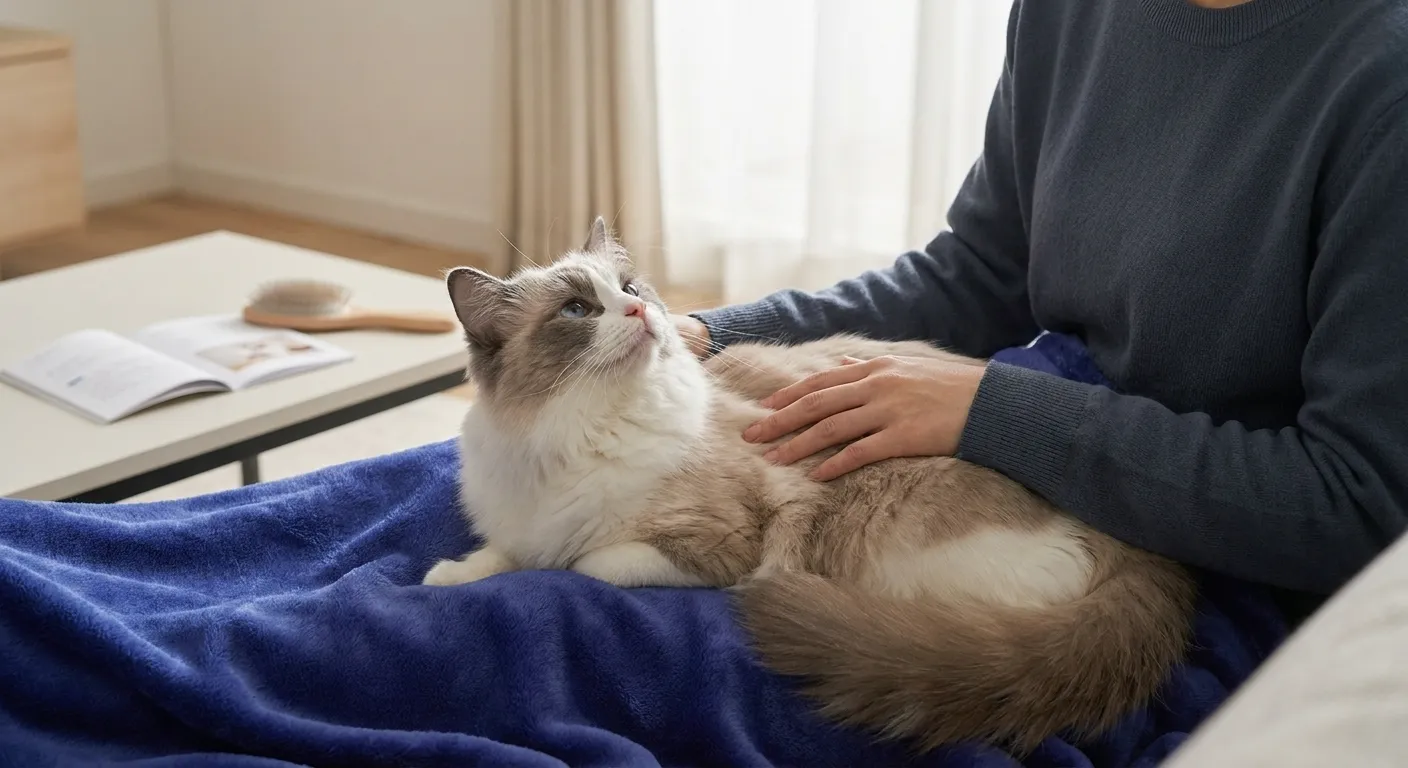
Pay close attention to your Ragdoll’s daily habits. Notice changes in appetite, thirst, urination, bowel movements, energy levels, or grooming. Regularly check their teeth, gums, eyes, and ears. Brushing their coat also allows for a quick check of their skin and body for any lumps or abnormalities. Even subtle changes can be early indicators of developing health issues.
Environmental Enrichment and Stress Reduction
A stimulating and secure environment reduces stress, which can impact a cat’s immune system and overall health. Provide scratching posts, toys, and opportunities for play. Ragdolls are highly social, so ensure they receive enough attention and interaction. Ragdoll Cats Need Attention More Than Most Breeds, and this social interaction contributes to their mental and physical health.
Genetic Screening for Breeders
If you are considering a Ragdoll kitten, choose a reputable breeder who performs genetic screening for conditions like HCM and PKD. This responsible breeding practice significantly reduces the likelihood of inheriting these specific Ragdoll cat health issues. Always ask for health clearances for the parents.
Understanding Specific Health Risks for Ragdolls
Beyond the common feline ailments, certain conditions warrant a deeper understanding for Ragdoll owners. Knowing these specific risks helps in targeted prevention and early action. Therefore, education is a powerful tool in ensuring your pet’s well-being.
Feline Infectious Peritonitis (FIP)
While not exclusive to Ragdolls, FIP is a serious, often fatal, viral disease caused by a mutated feline coronavirus. Although there are newer treatments emerging, prevention involves minimizing exposure to the virus, especially in multi-cat households or catteries. Symptoms are varied and can include fever, lethargy, loss of appetite, and fluid accumulation in the abdomen or chest. Early diagnosis is challenging but crucial.
Pancreatitis
Inflammation of the pancreas can occur in any cat, but some breeds might be more susceptible. Symptoms often include vomiting, diarrhea, lethargy, and abdominal pain. The cause is often unknown, but diet can play a role. Management typically involves supportive care, pain relief, and dietary modifications. Recognizing these signs promptly is important for effective treatment.
Arthritis and Joint Health
As Ragdolls age, they can develop arthritis, particularly if they are overweight or have had previous joint injuries. Signs include reluctance to jump, stiffness, or difficulty using the litter box. Maintaining a healthy weight, providing comfortable bedding, and discussing joint supplements with your vet can help manage this condition. Similarly, ensuring their environment is easy to navigate can improve their comfort.
The Importance of Early Intervention for Ragdoll Cat Health Issues
Early detection and intervention are paramount for managing many feline health conditions, including those specific to Ragdolls. Addressing problems in their initial stages often leads to better outcomes, less invasive treatments, and a higher quality of life for your cat. Consequently, being vigilant and responsive to any changes in your cat’s health is one of the most loving things you can do.
Recognizing Subtle Changes
Cats are masters at hiding illness. Therefore, it’s essential to be attuned to even subtle shifts in their behavior or routine. A slight decrease in appetite, a less enthusiastic greeting, or a change in their preferred sleeping spot could all be indicators. These small signs can sometimes be the first clue to underlying Ragdoll cat health issues.
When to Contact Your Veterinarian
If you notice any persistent changes in your Ragdoll’s health or behavior, it’s always best to consult your veterinarian. Don’t wait for symptoms to worsen. A quick phone call or an early visit can provide peace of mind and, more importantly, lead to a timely diagnosis and treatment plan. Your vet is your best partner in navigating these potential challenges.
Conclusion
Owning a Ragdoll cat is a truly rewarding experience, and being prepared for potential health challenges is part of responsible pet ownership. By understanding common Ragdoll cat health issues, implementing proactive preventative measures, and remaining vigilant for early warning signs, you can significantly contribute to your beloved companion’s long and healthy life. Regular veterinary care, a balanced diet, a stimulating environment, and attentive observation are your best tools in ensuring your Ragdoll thrives. Ultimately, your commitment to their well-being is the greatest gift you can give them.
FAQ
What are the most common health problems in Ragdoll cats?
Ragdoll cats are generally healthy, but they can be prone to Hypertrophic Cardiomyopathy (HCM), Polycystic Kidney Disease (PKD), and common feline ailments like urinary tract issues and dental disease. Responsible breeding helps minimize genetic risks for these conditions.
How can I prevent my Ragdoll from developing health concerns?
Prevention involves regular vet check-ups, a high-quality diet, maintaining a healthy weight, encouraging hydration, and providing a stress-free environment. Additionally, at-home monitoring for any changes in behavior or habits is crucial for early detection.
Are Ragdolls more susceptible to heart disease?
Yes, Ragdolls have a genetic predisposition to Hypertrophic Cardiomyopathy (HCM), which is a thickening of the heart muscle. Regular veterinary screenings, including listening for heart murmurs, are important for early detection and management of this specific Ragdoll health issue.
What are the signs of kidney problems in Ragdoll cats?
Signs of kidney problems, including Polycystic Kidney Disease (PKD), can include increased thirst, frequent urination, weight loss, and vomiting. If you observe these symptoms, it’s important to consult your veterinarian for diagnosis and treatment options.
How important is dental care for my Ragdoll’s overall health?
Dental care is extremely important. Dental disease is common in cats and can lead to pain, tooth loss, and even affect other organs if left untreated. Regular vet dental check-ups, professional cleanings, and at-home dental care are vital for preventing serious dental-related health issues.
Related reading: