Keeping a Ragdoll healthy requires much more than feeding and grooming alone. A proper Ragdoll Cat Vet Schedule helps owners monitor health changes, prevent illness, and support long-term wellness throughout every stage of life. Because Ragdolls are affectionate indoor cats with unique physical and emotional traits, regular veterinary care plays a major role in maintaining comfort, mobility, and quality of life.
Many owners assume indoor cats rarely need veterinary attention unless they appear sick. However, cats naturally hide pain and illness extremely well. Consequently, many health conditions remain unnoticed until they become serious. Preventative care helps veterinarians identify problems early before symptoms worsen significantly.
Ragdolls generally live long lives when they receive proper medical care, balanced nutrition, and safe indoor environments. Still, like all breeds, they remain vulnerable to dental disease, obesity, heart conditions, kidney problems, and mobility changes as they age.
Routine wellness exams also support emotional health because stress-free veterinary experiences help cats remain calmer during future visits. Therefore, establishing positive vet routines early creates long-term benefits for both owners and pets.
Understanding how veterinary needs change from kittenhood through senior years helps owners provide better lifelong support. Consistent preventative care often improves not only lifespan but also comfort, behavior, and overall daily well-being for Ragdolls.
Why Preventative Veterinary Care Matters
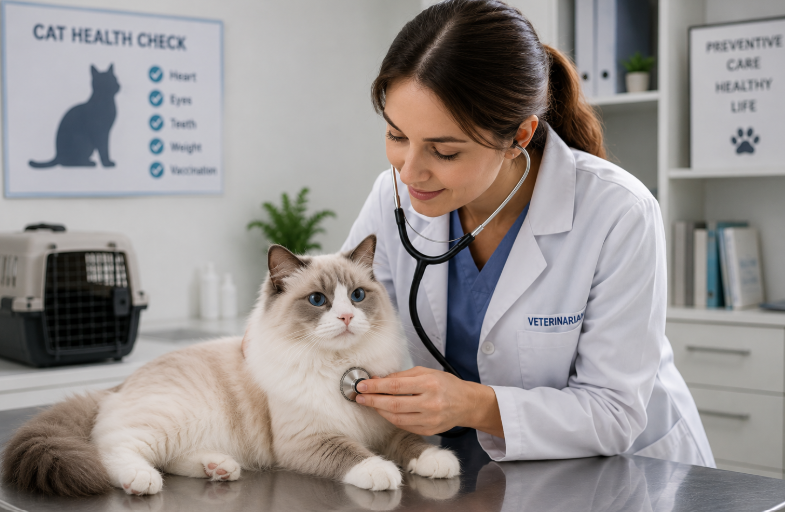
Preventative care focuses on identifying health risks before serious illness develops. Regular wellness visits allow veterinarians to monitor weight, dental health, mobility, heart function, hydration, and overall condition consistently.
A proper Ragdoll Cat Vet Schedule helps detect subtle changes that owners may overlook at home. Cats often mask discomfort naturally, which means illnesses sometimes progress quietly for long periods.
Routine exams also support vaccination schedules and parasite prevention. Even indoor cats require preventative protection because fleas, worms, and infectious diseases may still enter homes unexpectedly.
Veterinarians also evaluate behavioral changes during checkups. Increased sleeping, appetite shifts, or litter box problems sometimes indicate underlying medical conditions rather than simple aging or personality changes.
Early diagnosis often improves treatment success significantly. Consequently, regular exams may reduce long-term medical costs by preventing advanced disease complications later.
Preventative care also creates familiarity between cats and veterinary environments. Cats visiting clinics regularly often experience less stress than pets receiving care only during emergencies.
Owners benefit emotionally too. Routine monitoring provides reassurance that health concerns are being addressed before becoming severe or life-threatening.
Kitten Vet Visits During the First Year
The first year of life includes the highest number of veterinary appointments because kittens require vaccinations, growth monitoring, parasite prevention, and developmental support.
Ragdoll Cat Vet Schedule planning should begin immediately after adoption or breeder pickup. Most kittens visit veterinarians within the first few days after arriving home to confirm healthy development and discuss care routines.
Vaccinations usually occur in several stages during kittenhood. Core vaccines protect against common and potentially dangerous feline diseases. Consequently, early protection becomes extremely important for long-term health.
Veterinarians also monitor growth and body condition closely during this stage. Ragdolls grow slowly compared to some breeds and may continue developing for several years.
Parasite prevention starts early too. Fleas, intestinal worms, and ear mites may affect kittens even in indoor environments. Therefore, routine preventative treatment helps protect vulnerable immune systems.
Spaying or neutering discussions often happen during the first year as well. These procedures support healthier long-term behavior and reduce certain medical risks.
Socialization guidance becomes valuable too. Veterinarians often help owners understand nutrition, grooming, litter habits, and emotional development during early life stages.
Frequent kitten visits help establish positive veterinary experiences while creating a strong medical foundation for adulthood.
Adult Wellness Visits and Routine Exams
Healthy adult Ragdolls still require consistent veterinary monitoring even when they appear perfectly normal at home. Most adult indoor cats benefit from yearly wellness exams throughout adulthood.
Ragdoll Cat Vet Schedule routines during adulthood focus heavily on prevention, early disease detection, and maintaining healthy body condition. Annual checkups often include physical exams, dental evaluation, vaccination updates, and weight monitoring.
Obesity becomes a major concern for many indoor Ragdolls because of their relaxed personality and lower activity levels. Consequently, veterinarians frequently assess body condition and recommend nutrition adjustments if necessary.
Dental disease also develops commonly during adulthood. Cats often hide oral pain effectively, which means serious dental problems may progress silently without professional examination.
Heart health deserves attention too. Ragdolls may carry genetic risks involving hypertrophic cardiomyopathy, commonly called HCM. Early monitoring sometimes helps identify abnormalities before symptoms become severe.
Routine bloodwork may begin during adulthood depending on age and medical history. These tests help establish healthy baseline values for future comparison.
Behavioral discussions also remain valuable during wellness exams. Changes involving appetite, grooming, sleep, or litter habits sometimes reveal hidden medical issues requiring investigation.
Consistent adult care supports healthier aging while reducing emergency health complications later in life.
How Dental Care Fits Into Vet Scheduling
Dental health strongly affects overall feline wellness. Unfortunately, many cats develop dental disease gradually without obvious symptoms initially. Consequently, regular oral evaluations become extremely important.
Ragdoll Cat Vet Schedule planning should include annual dental assessments because tartar buildup, gum inflammation, and tooth infections commonly affect indoor cats.
Bad breath often becomes one of the earliest warning signs. However, many cats continue eating normally even while experiencing severe oral pain. Therefore, professional dental exams remain essential for early detection.
Veterinarians may recommend dental cleanings depending on tartar accumulation and gum condition. Professional cleanings remove buildup beneath the gumline where brushing cannot reach effectively.
At-home dental care also helps significantly. Dental treats, oral rinses, and brushing routines support healthier gums and reduce plaque accumulation over time.
Dental disease affects more than the mouth alone. Chronic infections sometimes influence kidney health, heart function, and appetite if left untreated for long periods.
Senior cats especially benefit from regular oral care because aging increases dental sensitivity and disease risk naturally.
Healthy teeth and gums improve comfort, nutrition, and quality of life significantly throughout all life stages.
Vaccination Schedules for Indoor Ragdolls
Some owners mistakenly believe indoor cats do not need vaccinations. However, indoor pets still face potential exposure through visitors, contaminated objects, or accidental escapes outdoors.
Ragdoll Cat Vet Schedule routines should follow veterinarian recommendations regarding core vaccinations based on age, lifestyle, and regional disease risks.
Core vaccines usually protect against feline viral rhinotracheitis, calicivirus, and panleukopenia. These illnesses may become severe or even fatal without protection.
Rabies vaccination requirements vary depending on local regulations and veterinary guidance. Consequently, owners should discuss legal requirements during routine appointments.
Booster schedules often change as cats age. Some vaccines require annual updates, while others remain effective longer depending on vaccine type and risk level.
Vaccinations also protect community health overall by reducing disease spread among pets. Therefore, preventative care benefits not only individual cats but also broader animal populations.
Veterinarians typically balance vaccination benefits carefully with each cat’s individual needs and health history. Personalized guidance helps owners avoid unnecessary treatments while maintaining proper protection.
Monitoring Weight and Nutrition Through the Years
Weight management becomes one of the most important parts of lifelong feline healthcare. Even small weight changes sometimes indicate medical problems requiring veterinary attention.
Ragdoll Cat Vet Schedule appointments often include body condition scoring and nutritional evaluation because indoor Ragdolls commonly gain excess weight over time.
Obesity increases risks involving arthritis, diabetes, heart strain, and mobility problems significantly. Consequently, preventative monitoring helps reduce long-term health complications.
Unexpected weight loss also deserves attention. Kidney disease, hyperthyroidism, dental pain, and digestive problems sometimes cause gradual weight decline in adult or senior cats.
Veterinarians help owners adjust feeding portions and nutrition based on age, activity level, and health conditions. Consequently, individualized feeding guidance supports healthier long-term body condition.
Hydration assessment also matters greatly because many cats naturally drink limited water. Proper hydration supports kidney and urinary health throughout life.
Routine nutrition discussions during exams often help owners recognize unhealthy habits before they create larger problems later.
Senior Cat Visits Become More Frequent
As Ragdolls age, veterinary visits generally become more frequent because older cats experience higher risks involving chronic disease and mobility decline.
Ragdoll Cat Vet Schedule recommendations for seniors often increase to twice-yearly wellness exams after age seven or eight. More frequent monitoring helps detect age-related conditions earlier.
Kidney disease becomes increasingly common during senior years. Bloodwork and urine testing help veterinarians monitor kidney function before symptoms become severe.
Arthritis also affects many older Ragdolls. Reduced jumping, stiffness, or slower movement often indicate joint discomfort requiring treatment or environmental adjustments.
Heart disease monitoring becomes increasingly important too. Ragdolls may carry inherited heart risks that become more noticeable with age.
Senior exams also assess hearing, vision, weight changes, hydration, coat condition, and cognitive function. Small behavioral differences sometimes reveal underlying medical issues.
Preventative monitoring improves comfort significantly because early treatment often slows disease progression while maintaining quality of life.
Older cats benefit greatly from calm and predictable veterinary experiences. Consequently, regular visits help reduce stress while supporting healthier aging overall.
Emergency Visits and Warning Signs
Even with excellent preventative care, emergencies still happen occasionally. Owners should recognize symptoms requiring immediate veterinary attention rather than waiting for routine appointments.
Ragdoll Cat Vet Schedule planning should always include emergency preparedness because rapid treatment often improves outcomes significantly during critical situations.
Difficulty breathing requires immediate medical care. Open-mouth breathing, wheezing, or severe lethargy may indicate serious heart or respiratory problems.
Sudden appetite loss lasting more than a day also deserves attention, especially in senior cats. Cats develop complications quickly when they stop eating entirely.
Vomiting repeatedly, severe diarrhea, or visible pain also signal urgent medical concerns. Consequently, owners should never ignore dramatic behavioral or physical changes.
Litter box problems sometimes indicate urinary blockages or kidney disease. Male cats especially face dangerous urinary emergencies requiring rapid intervention.
Trauma, falls, poisoning, or suspected foreign object ingestion also require emergency evaluation immediately.
Understanding emergency signs helps owners respond faster while potentially saving lives during critical situations.
Making Vet Visits Less Stressful
Many cats dislike unfamiliar environments, loud sounds, and transportation. However, positive handling and preparation often reduce veterinary stress significantly.
Ragdoll Cat Vet Schedule routines work best when owners create calm and predictable travel experiences from kittenhood onward.
Comfortable carriers help greatly. Cats generally feel safer inside stable and familiar carriers lined with soft bedding.
Leaving carriers visible at home between appointments also reduces fear because cats stop associating them only with stressful travel.
Calming pheromone sprays sometimes improve comfort during transportation too. Consequently, many owners use them before appointments.
Gentle handling and soft voices help emotionally sensitive Ragdolls remain calmer during examinations. Stress reduction becomes especially important for senior cats or pets with anxiety.
Short practice car rides occasionally help kittens adapt more comfortably to transportation as well.
Positive reinforcement after appointments strengthens future cooperation naturally. Treats, affection, and calm environments help cats recover emotionally after veterinary visits.
Conclusion
Regular veterinary care remains one of the most important responsibilities in lifelong Ragdoll ownership. A proper Ragdoll Cat Vet Schedule supports preventative care, early disease detection, emotional wellness, and healthier aging throughout every life stage.
Routine exams help identify hidden problems before symptoms become severe. Vaccinations, dental care, weight monitoring, and bloodwork all contribute significantly to long-term feline health and comfort.
Kitten visits establish strong medical foundations, while adult and senior wellness exams support ongoing prevention and disease management. As Ragdolls age, more frequent monitoring often improves mobility, nutrition, and overall quality of life.
Veterinary care also strengthens emotional security by helping cats adapt to predictable and stress-free handling experiences over time. Consequently, preventative routines benefit both physical and emotional health.
Owners who prioritize consistent veterinary care often enjoy longer, healthier, and more comfortable lives with their Ragdolls. Thoughtful planning and early intervention help these affectionate cats remain happy companions for many years ahead.
FAQ
1. How often should adult Ragdolls visit the vet?
Most healthy adult Ragdolls benefit from yearly wellness exams and preventative care appointments.
2. Do indoor Ragdolls still need vaccinations?
Yes. Indoor cats still require core vaccines because diseases may enter homes unexpectedly.
3. When should senior cats visit the vet more often?
Many veterinarians recommend twice-yearly exams once cats reach senior age around seven to eight years old.
4. Why are dental exams important for Ragdolls?
Dental disease commonly develops without obvious symptoms and may affect overall health significantly.
5. What symptoms require emergency veterinary care?
Breathing problems, severe lethargy, appetite loss, urinary issues, or repeated vomiting need immediate attention.