Ragdoll cats are beloved for their luxurious, semi-long coats, which are wonderfully soft and contribute to their majestic appearance. However, with such magnificent fur comes the reality of shedding. While Ragdolls are often touted as having less matting than some long-haired breeds, they do shed, and managing it effectively is key to a clean home and a healthy coat for your feline friend. Going beyond the basic brush, let’s explore advanced strategies to manage Ragdoll cat shedding and keep their fur in pristine condition.
Understanding Ragdoll Shedding Patterns
Ragdolls typically have a ‘bunny-soft’ single coat. This means they lack a dense undercoat, which explains why they are less prone to matting. Nevertheless, they do experience seasonal shedding. This shedding is often more pronounced in spring and fall. During these times, their bodies adjust to temperature changes. Therefore, consistent year-round management proves more effective than reactive brushing during peak shedding periods.
The Science Behind Feline Shedding
Shedding is a natural physiological process. It allows a cat to replace old or damaged hair with new growth. Hormones, nutrition, and environmental factors like daylight exposure all influence this cycle. Indoor cats, especially, might shed more consistently throughout the year. This is due to less exposure to natural light cycles. Understanding these factors helps us better address shedding.
Beyond the Brush: Holistic Shedding Management
While daily brushing remains foundational, a truly effective approach to managing your Ragdoll’s shedding involves several integrated strategies. Combining these methods helps reduce loose hair. Furthermore, it promotes overall coat health. This holistic view is crucial for long-term success.
1. The Right Tools and Technique for Coat Care
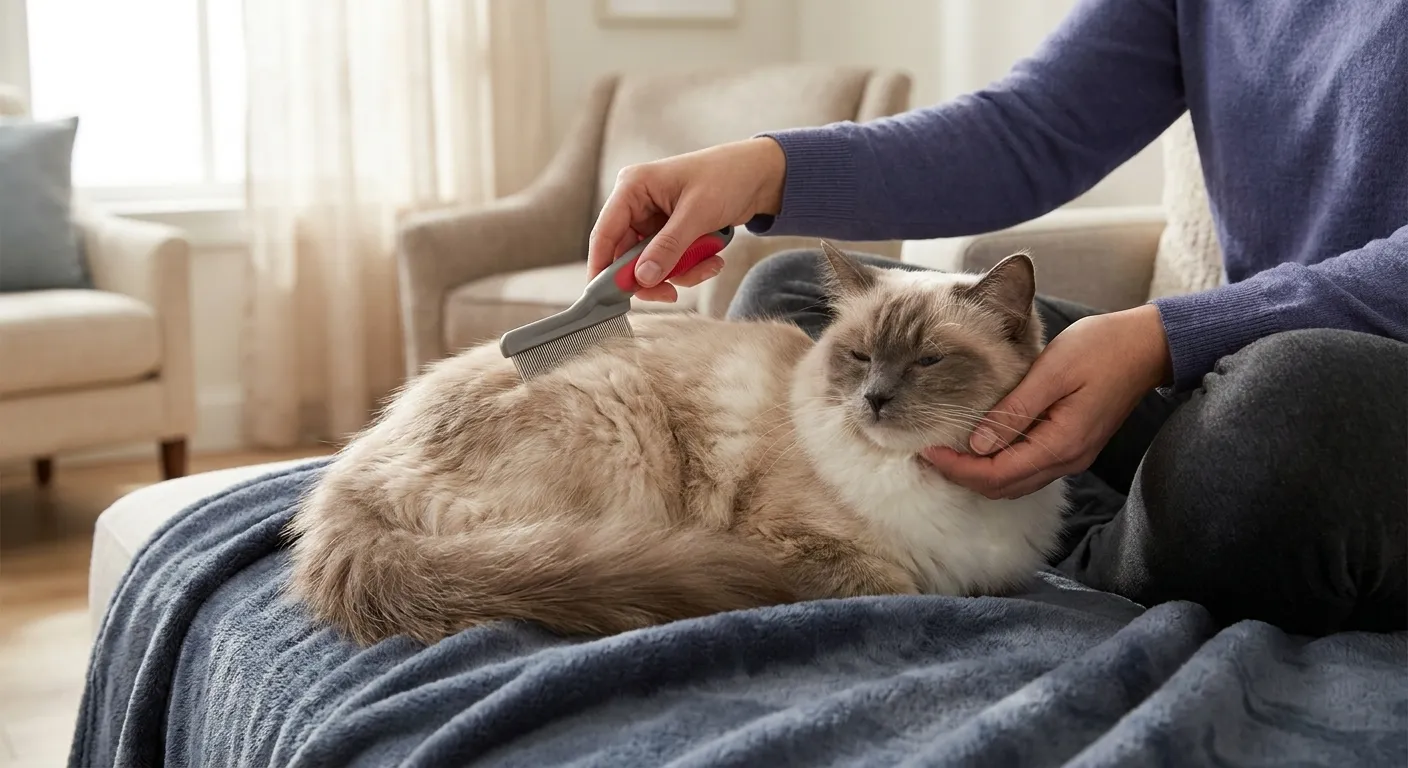
Not all brushes are created equal, particularly for a Ragdoll’s unique coat. For these cats, a combination of tools works best. Choosing the correct implements makes a significant difference. Moreover, proper technique prevents discomfort. Aim for daily 5-10 minute brushing sessions. This not only removes loose hair but also stimulates circulation and strengthens your bond.
- Slicker Brush: This tool excels at removing loose fur and preventing mats. It is especially useful around the ‘britches’ and underarms. Use gentle, outward strokes.
- Metal Comb (wide-toothed then fine-toothed): An essential tool for detangling and ensuring no knots are missed. Start with the wide-toothed comb to work through larger sections, then follow with the fine-toothed one. Always use gently to avoid pulling.
- Rubber Curry Brush or Grooming Glove: These are fantastic for daily surface shedding. They also distribute natural oils, giving their coat a healthy sheen. Many cats enjoy the massage-like feel.
- Deshedding Tool (used sparingly): Tools like a Furminator can be effective but require caution. They should not be used too frequently, as they can cut healthy hair if overused. Focus on areas with heavier shedding, and always follow the manufacturer’s instructions. Incorrect use can irritate the skin.
Regular grooming also provides an opportunity to check for skin issues. You can also look for parasites or any unusual lumps. This proactive approach supports your Ragdoll’s overall health.
2. Nutritional Support for a Healthy Coat
The adage ‘you are what you eat’ holds true for your Ragdoll’s coat. A high-quality diet rich in Omega-3 and Omega-6 fatty acids can significantly improve coat health. This, in turn, helps reduce excessive shedding. Look for cat foods with ingredients like salmon oil, flaxseed, or fish. These components nourish the skin and hair follicles. You can also consult your vet about adding a high-quality Omega fatty acid supplement. These are specifically formulated for cats, and can enhance their diet. A healthy diet is a cornerstone to effectively reduce Ragdoll cat shedding with simple care.
3. Hydration Matters for Skin and Fur
Proper hydration is vital for both skin and coat health. Ensure your Ragdoll has constant access to fresh, clean water. Consider a pet water fountain, as many cats prefer flowing water. This can encourage them to drink more. Well-hydrated skin leads to a healthier coat and less brittle, shed hair. Dehydration can exacerbate dry skin, which then increases shedding. Therefore, always prioritize fresh water.
4. Environmental Control for Optimal Coat Health
Your home environment plays a role in your Ragdoll’s coat condition. Small adjustments can make a big difference. These controls help create an optimal living space. This ultimately supports healthy skin and fur.
- Humidity: Dry indoor air, especially in winter, can contribute to dry skin and increased shedding. Using a humidifier can help maintain a comfortable humidity level (around 40-60%). This keeps your Ragdoll’s skin moisturized.
- Cleanliness: Regularly vacuuming and dusting helps remove shed fur from your environment. This prevents it from accumulating and becoming overwhelming. Furthermore, keeping bedding clean reduces allergens.
- Temperature Consistency: While seasonal shedding is natural, extreme or sudden temperature changes can stress a cat’s system. Maintaining a stable indoor temperature can help mitigate excessive shedding.
5. Regular Bathing (with caution)
Ragdolls generally do not require frequent bathing. However, occasional baths can help remove loose hair and dander, especially during peak shedding seasons. Use a cat-specific shampoo designed for long-haired breeds. Ensure it is moisturizing. Always rinse thoroughly to prevent skin irritation. Some owners find professional grooming helpful for this task. They have specialized equipment and expertise. It’s important to make bath time a positive experience. This prevents stress for your feline friend. A calm cat is easier to bathe.
6. Stress Reduction and Its Impact on Shedding
Stress can manifest in various physical ways for cats, including increased shedding. A stressed Ragdoll might shed more than usual. Therefore, creating a calm and predictable environment is crucial. Consider factors like a consistent routine, quiet spaces, and plenty of enrichment. For instance, ensure your Ragdoll cat home setup for comfort and safety includes scratching posts and toys. These elements help reduce anxiety. Additionally, if your Ragdoll is sensitive to changes, gradually introduce new things. This minimizes their stress response. A calm cat is a healthy cat, inside and out. For more on behavioral aspects, you might review Ragdoll Cat Behavior Problems Every Owner Should Understand.
7. Regular Vet Check-ups
Sometimes, excessive shedding can signal an underlying health issue. Skin infections, parasites, allergies, or even hormonal imbalances can cause abnormal hair loss. Therefore, regular veterinary check-ups are essential. Your vet can rule out any medical conditions. They can also offer tailored advice. For a comprehensive schedule, check out the Ragdoll Cat Vet Schedule for Lifelong Health. Early detection and treatment of health problems can quickly resolve shedding issues. This ensures your Ragdoll remains healthy and happy.
Advanced Grooming Techniques to Manage Ragdoll Cat Shedding
Beyond the basics, certain advanced techniques can further refine your shedding management strategy. These methods require a bit more practice. However, they yield excellent results. They specifically target areas prone to more fur loss.
Line Brushing for Thoroughness
Line brushing is a technique where you systematically brush small sections of your cat’s coat. You essentially part the fur and brush from the skin outwards. This ensures you reach all the loose undercoat that might otherwise be missed. It’s particularly effective for long-haired breeds like Ragdolls. Start at the bottom of the cat’s body and work your way up. This thorough method helps to manage Ragdoll cat shedding comprehensively. For a visual guide, consider resources from reputable grooming sites like ASPCA’s cat grooming tips.
Using a Force Dryer for Loose Hair
A force dryer, often used by professional groomers, can be an incredibly effective tool for removing loose hair. It uses high-velocity air, not heat, to blow shed fur out of the coat. This can be done after a bath or on a dry coat. Introduce the dryer slowly and at a low setting. This helps your cat get accustomed to the noise and sensation. Many cats tolerate it well once accustomed. This method significantly reduces the amount of hair left on your furniture. Furthermore, it can help fluff up their coat, making it look even more magnificent.
Professional Grooming Services
For some owners, regular professional grooming is an excellent investment. Professional groomers have specialized tools and expertise. They can perform thorough deshedding treatments. These often include specific bathing techniques and high-velocity drying. This can drastically reduce the amount of shedding. It also keeps your Ragdoll’s coat in top condition. They can also identify and address any matting. This prevents it from becoming a larger problem. A professional groomer can also advise on the best at-home care. This helps to further manage Ragdoll cat shedding between visits.
Long-Term Benefits of Effective Shedding Management
Implementing these advanced strategies offers numerous benefits. It’s not just about a cleaner home. It also contributes to your Ragdoll’s overall well-being. A well-maintained coat prevents painful mats. It also reduces skin irritation. Moreover, consistent grooming sessions strengthen the bond between you and your pet. This regular interaction allows you to monitor their health more closely. Furthermore, reducing shed fur can alleviate allergy symptoms for sensitive family members. This proactive approach ensures your Ragdoll remains comfortable and healthy throughout their life. It’s a commitment that pays dividends in happiness for both owner and cat. For more insights on Ragdoll health, consider exploring topics like Aging Ragdoll Cat Care for Better Senior Wellness.
Conclusion
While Ragdoll cats do shed, managing their beautiful coats doesn’t have to be an overwhelming task. By understanding their unique shedding patterns, employing the right tools, and adopting a holistic approach that includes diet, hydration, environmental control, and regular vet check-ups, you can effectively manage Ragdoll cat shedding. Incorporating advanced techniques like line brushing and considering professional grooming further enhances your efforts. Ultimately, consistent care ensures your Ragdoll remains healthy, happy, and stunningly beautiful, with a coat that is as luxurious as it is manageable. Remember, a little effort each day goes a long way in maintaining their pristine condition.
FAQ: Common Questions About Ragdoll Cat Fur
How often should I groom my Ragdoll to minimize hair loss?
Daily grooming for 5-10 minutes is ideal for a Ragdoll. This consistency helps remove loose fur before it spreads. It also prevents mats. During peak shedding seasons, you might increase the frequency or duration of your sessions slightly.
Can diet really impact my Ragdoll’s coat and how much hair they lose?
Absolutely. A high-quality diet rich in Omega-3 and Omega-6 fatty acids significantly supports skin and coat health. These essential fatty acids contribute to a stronger, healthier coat, which in turn can reduce excessive hair fall. Consult your vet for specific dietary recommendations or supplements.
Are Ragdolls considered hypoallergenic because they have less undercoat?
Ragdolls are often mistakenly believed to be hypoallergenic due to their single coat. However, no cat breed is truly hypoallergenic. They may produce less dander and shed slightly less than some breeds, but they still produce allergens. For more detailed information, see Ragdoll Cats Hypoallergenic Care Facts Every Owner Should Know.
What are the signs of excessive hair loss that might indicate a health problem?
If your Ragdoll is shedding in patches, has bald spots, experiences skin irritation, or shows changes in coat texture, it could indicate an underlying health issue. Increased shedding accompanied by lethargy, changes in appetite, or excessive scratching also warrants a vet visit. Always consult your veterinarian if you notice any concerning changes.
Is it true that a cat’s stress levels can affect its coat condition and shedding?
Yes, stress can certainly impact a cat’s coat. A stressed cat may groom excessively, leading to hair loss, or conversely, neglect grooming, causing mats and increased shedding. Providing a stable, enriching environment and addressing stressors can help maintain a healthy coat. For more on managing their well-being, explore resources like The Humane Society’s cat care tips.
My Ragdoll hates being brushed. What can I do?
Introduce grooming slowly and positively. Start with short sessions, using a soft brush or grooming glove, and offer treats and praise. Gradually increase the duration. If your cat is still resistant, try different tools or consult a professional groomer for advice on desensitization techniques. Patience is key to making grooming a pleasant experience.
Related reading: