Ragdoll cats are renowned for their distinctive personalities, often described as ‘dog-like’ due to their affectionate nature and tendency to follow their owners. However, truly understanding your feline companion goes beyond these surface-level traits. Delving into Ragdoll cat behavior explained can provide invaluable insights into their needs, preferences, and even subtle cues that indicate their mood or health. Recognizing these unique behaviors fosters a deeper bond and helps you provide the best possible care for your gentle giant.
The Signature ‘Floppy’ Trait and Affection
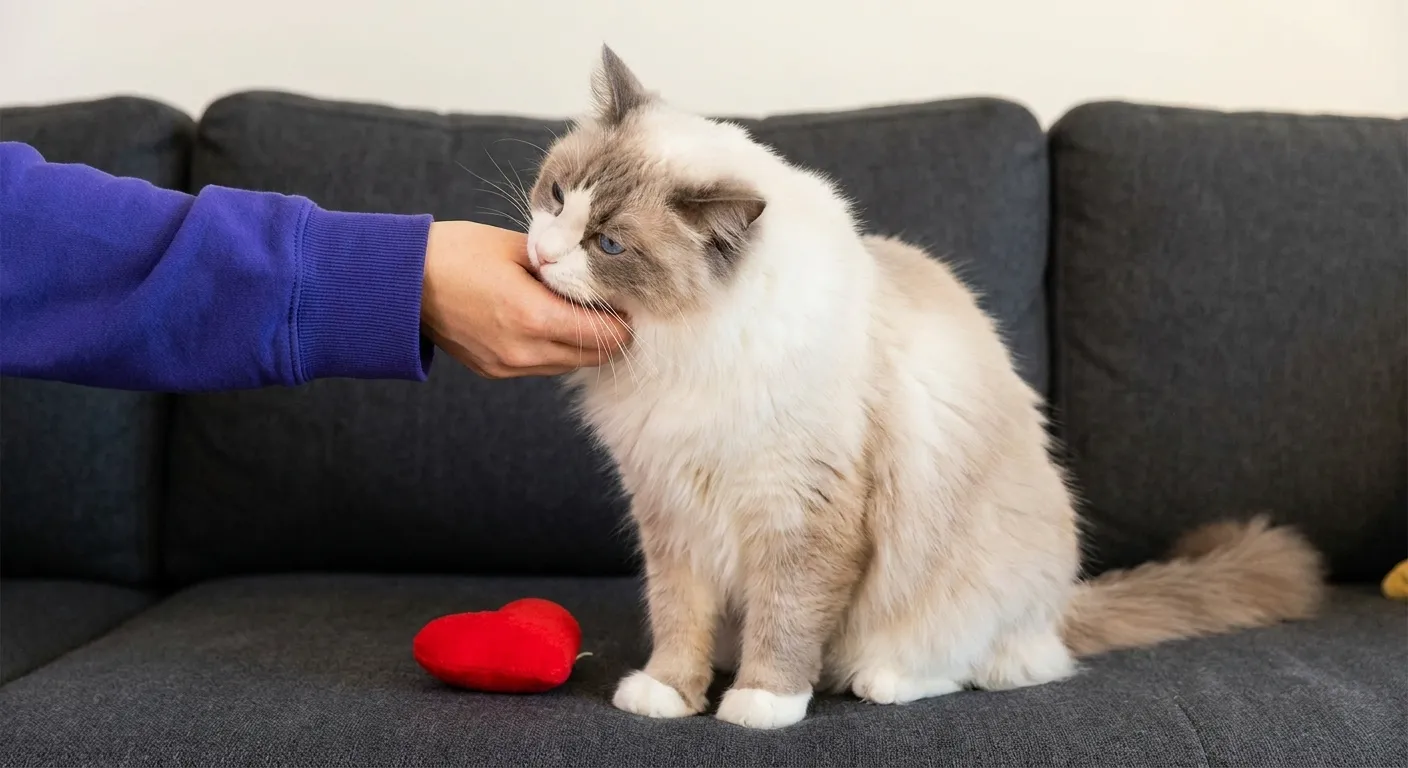
One of the most famous aspects of Ragdoll behavior is their tendency to go limp and relaxed when picked up, hence their name. This ‘floppy’ trait is a hallmark of the breed’s trusting and docile nature. Beyond this, Ragdolls are highly affectionate; they often greet owners at the door, enjoy being held, and will follow you from room to room. Unlike some aloof cat breeds, Ragdolls crave companionship and attention. They are not typically vocal but communicate their desires through soft meows, purrs, and body language. A head butt, a slow blink, or rubbing against your legs are all signs of affection and contentment. Understanding these expressions helps you reciprocate their love effectively. For more on their loving nature, see Affectionate Ragdoll Cats and Their Loving Nature.
Playfulness, Curiosity, and Social Needs
Despite their calm demeanor, Ragdolls are inherently playful and curious. They enjoy exploring their environment, often finding entertainment in simple things like a crinkled paper or a sunbeam. They are intelligent and can be taught tricks, such as fetch, indicating their capacity for learning and engagement. Their social nature extends to other pets and children, often adapting well to multi-pet households if introduced properly. However, their trusting nature also means they need a safe, protected indoor environment. They are not street-smart and should always be kept indoors to protect them from external dangers. Observing their play patterns and social interactions can reveal much about their personality and ensure their social needs are met.
By having Ragdoll cat behavior explained, you gain a deeper appreciation for this magnificent breed. These insights empower you to respond appropriately to their needs, build a stronger relationship, and ensure your Ragdoll lives a fulfilling and happy life as a cherished member of your family.
Understanding Ragdoll Communication: Beyond the Meow
Ragdolls, while not known for being overly vocal like some Siamese cats, possess a rich repertoire of communication methods. Indeed, understanding these subtle signals is crucial for any owner. For example, a soft trilling sound often indicates happiness or a greeting. Conversely, a low growl or hiss is a clear warning sign, signifying discomfort or a desire for space. Their purrs vary in intensity, from a gentle rumble during a nap to a robust vibration when receiving a favorite head scratch. Furthermore, their eyes offer significant clues; dilated pupils can signal excitement or fear, whereas slowly blinking eyes are a sign of trust and affection. Learning to interpret these non-verbal cues is essential for harmonious living. This deep understanding of their communication helps you respond effectively to their needs.
The Importance of Routine and Environmental Enrichment
Ragdoll cats thrive on routine and a predictable environment. Consequently, sudden changes can be a source of stress for them. Establishing consistent feeding times, play sessions, and grooming schedules helps them feel secure. Moreover, environmental enrichment is vital for their mental and physical well-being. This includes providing scratching posts, climbing trees, and interactive toys. Since they are intelligent, puzzle feeders can also offer mental stimulation, preventing boredom and potential behavioral issues. A well-designed living space, as discussed in Ragdoll Cat Home Setup for Comfort and Safety, significantly contributes to their overall happiness. Furthermore, providing various textures for scratching and resting spots at different heights caters to their natural instincts. This ensures they have outlets for their energy and curiosity.
Common Ragdoll Cat Behavior Explained: What to Watch For
While Ragdolls are generally docile, certain behaviors warrant attention. Excessive grooming, for instance, might indicate stress or skin irritation, necessitating a vet visit. Similarly, a sudden change in litter box habits could signal a urinary tract infection or other health concerns. Aggression, though rare in Ragdolls, should always be investigated as it often stems from pain or fear. On the other hand, destructive scratching can often be redirected with appropriate scratching posts and positive reinforcement. It is vital to consult a veterinarian if you observe persistent or concerning behavioral changes, as early intervention can prevent more serious problems. For more insights on behavioral challenges, explore Ragdoll Cat Behavior Problems Every Owner Should Understand. Understanding these nuances helps you maintain their health and happiness.
Understanding Their ‘Dog-Like’ Tendencies
Many owners affectionately describe their Ragdolls as ‘dog-like,’ and for good reason. These felines often exhibit behaviors more commonly associated with canines. For example, they frequently greet their owners at the door, enthusiastically welcoming them home. Furthermore, they tend to follow their favorite person from room to room, often settling nearby while their human goes about their daily tasks. The famous ‘fetch’ game is another common activity for many Ragdolls, demonstrating their intelligence and desire for interaction. Unlike some more independent cat breeds, Ragdolls truly enjoy being part of family activities. This unique blend of feline grace and canine loyalty makes the Ragdoll a truly special companion. Observing these traits helps confirm that your Ragdoll cat behavior explained truly matches their personality.
The Importance of Social Interaction and Attention
Ragdolls are incredibly social creatures who thrive on interaction with their human families. Neglecting their need for attention can lead to feelings of loneliness and even behavioral problems. Therefore, regular play sessions, petting, and simply spending time in the same room are crucial. They enjoy being picked up and cuddled, often melting into their owner’s arms. It is important to remember that they are not a breed that can be left alone for extended periods without companionship. If you have a busy lifestyle, considering a companion pet or ensuring ample interaction when you are home is essential. For more detailed information on their need for companionship, refer to Ragdoll Cats Need Attention More Than Most Breeds. This helps ensure their emotional well-being.
Health Indicators Through Behavior
A Ragdoll’s behavior can be a powerful indicator of their underlying health. Any sudden or significant change in their typical demeanor warrants attention. For instance, a normally playful Ragdoll becoming lethargic or withdrawn could signal illness. Similarly, changes in appetite, increased vocalization, or hiding can all be red flags. Observing their litter box habits, such as frequency and consistency, is also vital for detecting potential health issues early. Regular veterinary check-ups are paramount, but your daily observation of their behavior provides the first line of defense in maintaining their health. This is a critical aspect of understanding your Ragdoll cat behavior explained and ensuring their long-term wellness. Consulting a vet for any unusual changes is always recommended to ensure proper care.
Grooming Habits and What They Mean
Ragdolls are known for their beautiful, semi-long coats, which require regular grooming. Their self-grooming habits are also quite telling. A healthy Ragdoll will meticulously groom themselves, keeping their fur clean and tangle-free. However, excessive grooming, to the point of creating bald patches, might indicate stress, allergies, or even pain. Conversely, a lack of grooming can be a sign of illness, depression, or joint pain that makes it difficult for them to reach certain areas. Observing their grooming routine can therefore offer valuable insights into their comfort and health. Gentle brushing not only helps maintain their coat but also provides an opportunity to check for any skin issues or parasites. For tips on managing their coat, consider advice on Reduce Ragdoll Cat Shedding With Simple Care.
Sleep Patterns and Resting Behavior
Like all cats, Ragdolls spend a significant portion of their day sleeping or resting. However, their sleep patterns can also offer clues about their well-being. A content Ragdoll will often seek out warm, comfortable spots for naps, often in close proximity to their human family. They tend to sleep deeply but are usually easily roused. Changes in sleep patterns, such as excessive sleeping or restlessness, could be indicative of health problems or stress. Observing where and how they sleep can provide insights into their comfort levels and sense of security within their environment. For more information on their rest, refer to Ragdoll Cat Sleep Patterns and Healthy Rest. Ensuring a quiet and safe sleeping area is crucial for their overall health.
The Role of Training and Positive Reinforcement
Ragdolls are intelligent and eager to please, making them highly trainable with the right approach. Positive reinforcement, such as treats, praise, and gentle play, is far more effective than punishment. They can learn various commands, walk on a leash, and even perform tricks. Training not only provides mental stimulation but also strengthens the bond between you and your cat. Understanding their learning style and patiently guiding them through new experiences is key. This breed responds well to consistency and positive feedback. By engaging in training, you are also reinforcing desirable behaviors and addressing any minor issues before they become significant. This further enhances your understanding of Ragdoll cat behavior explained and how to guide it.
Environmental Safety: Why Indoors is Best
Given their trusting and docile nature, Ragdolls are not well-suited for an outdoor life. Their lack of street smarts and tendency to be less assertive makes them vulnerable to various dangers, including traffic, other animals, and diseases. Therefore, providing a safe, enriching indoor environment is paramount for their longevity and well-being. This includes secure windows, protected balconies, and a home free from toxic plants or chemicals. An indoor lifestyle also allows you to monitor their health and behavior more closely. Ensuring their safety is a fundamental aspect of responsible Ragdoll ownership, protecting them from the many perils of the outdoors. This critical aspect of care reinforces the need to fully grasp all aspects of Ragdoll cat behavior explained.
Conclusion
Understanding the unique behavioral traits of your Ragdoll cat is not just about knowing a few facts; it’s about fostering a profound connection and ensuring their holistic well-being. From their signature ‘floppy’ trait and affectionate greetings to their subtle communication cues and need for a stable environment, every aspect of Ragdoll cat behavior explained offers a window into their world. By observing, interpreting, and responding to their needs, you strengthen the bond with your feline companion, providing them with a life filled with love, security, and happiness. A well-understood Ragdoll is a happy Ragdoll, enriching your life in countless ways. Continuous learning about their specific behaviors will enhance your ability to provide exceptional care throughout their life. For further resources on feline behavior, consider consulting trusted veterinary sites like ASPCA or International Cat Care.
FAQ
What makes Ragdoll cat traits so unique?
Ragdoll cats are unique due to their ‘floppy’ nature when handled, their intense affection, and their tendency to follow owners like dogs. They are also known for their docile temperament and relatively quiet vocalizations, communicating more through body language.
How do Ragdolls show affection?
Ragdolls show affection through head butts, rubbing against legs, slow blinks, purring, and seeking physical closeness. They often greet owners at the door and enjoy being held and cuddled, demonstrating their loving nature.
Are these cats playful, and what kind of play do they enjoy?
Yes, Ragdolls are playful! They enjoy interactive games like fetch, chasing toys, and exploring. They are intelligent and benefit from puzzle toys and play sessions that stimulate their minds and bodies.
Why is it important to understand my Ragdoll’s body language?
Understanding your Ragdoll’s body language is crucial for interpreting their moods, needs, and health. It allows you to respond appropriately to signs of happiness, stress, discomfort, or illness, strengthening your bond and ensuring their well-being.
What are common behavioral changes that might signal a health issue?
Any sudden changes in behavior, such as lethargy, withdrawal, excessive grooming, changes in appetite or litter box habits, or unusual aggression, can signal a health issue. It is always best to consult a veterinarian if you notice such changes.
Do Ragdolls need a lot of attention from their owners?
Indeed, Ragdolls thrive on human companionship and require significant attention. They are very social and can become lonely or stressed if left alone for extended periods without interaction. Regular play and cuddle time are essential for their happiness.
Related reading: